


The Industrial Design Strategy: Engineering Premium Perception and Venture Success
In today’s competitive hardware market, product success depends on far more than innovative technology. Customers, investors, and manufacturing partners often judge a product’s quality, usability, and production readiness long before they evaluate its technical capabilities. Industrial design for hardware startups plays a critical role in transforming engineering ideas into products that inspire confidence, communicate quality, and are ready for scalable manufacturing. When combined with mechanical product engineering, it creates products that are functional, manufacturable, and commercially successful.
In crowded hardware categories, the products that succeed are rarely defined only by technical sophistication. They are the products whose form language, interaction quality, and material execution feel resolved from the very first interaction.

This article explores seven dimensions of industrial design that separate forgettable products from iconic ones, and underfunded startups from well-backed ventures.
For hardware startups, this is where the right design partner becomes critical. From concept development to manufacturing readiness, an experienced end-to-end product design support ensures that every decision—from ergonomics to materials to assembly—aligns with user expectations, investor confidence, and scalable production.
1. Human Centric Form: Ergonomics as Success Driver
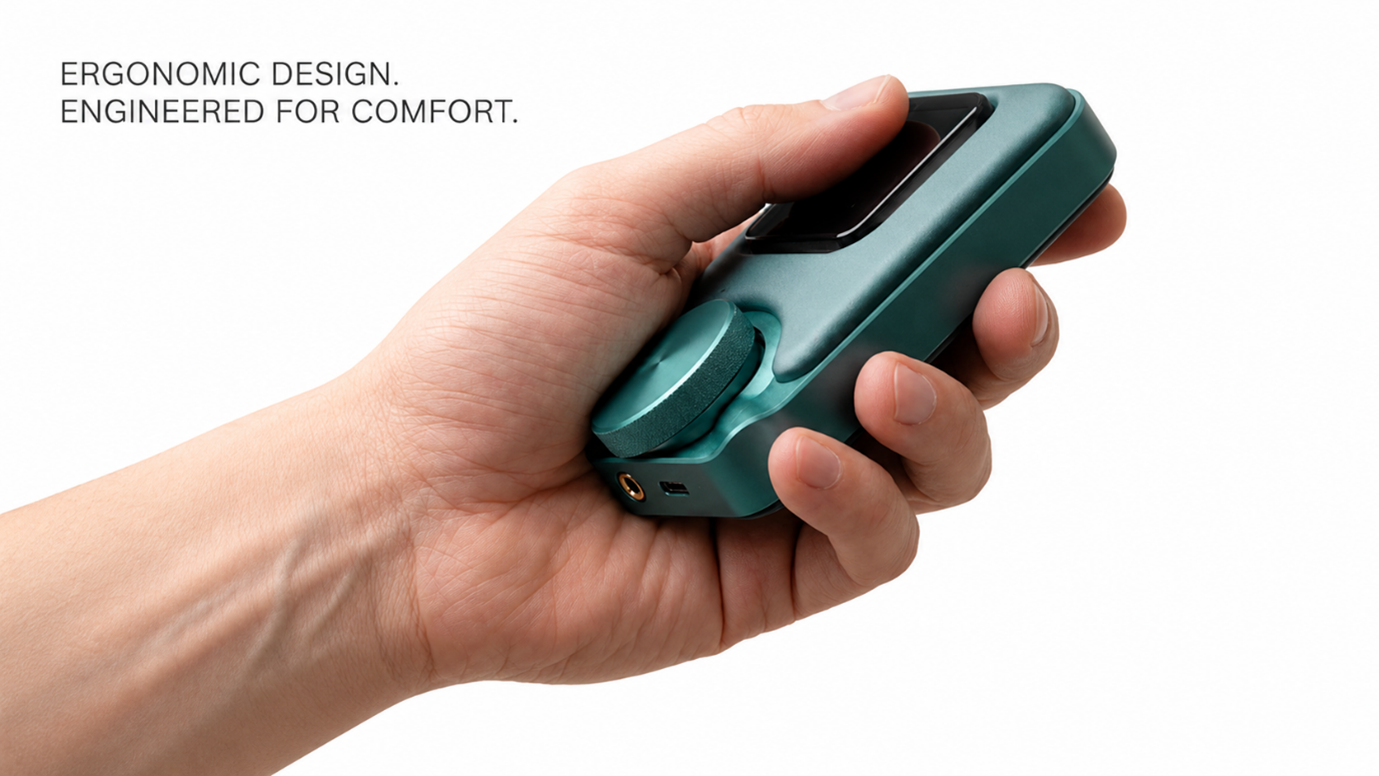
Elevated industrial design begins understanding how end users physically and emotionally interact with a product. Following Dieter Rams’ principle that good design makes a product useful, form development must resolve physical comfort, cognitive clarity, and intuitive interaction simultaneously. This is where ergonomic product design services become essential in translating human behavior into practical, user-centered form.
If a product does not integrate naturally into how people hold, operate, or interact with it, no amount of engineering sophistication or visual refinement can compensate for that friction.
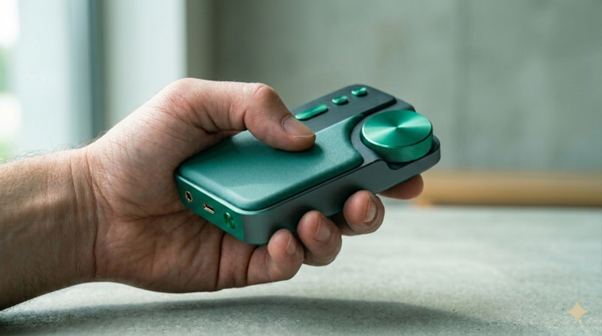
In our experience, ergonomic issues rarely appear during the initial design phase. They typically emerge during prototype testing, when users struggle with grip angles, button placement, or prolonged handling. Small refinements based on this feedback—such as repositioning controls or adjusting contours—can significantly improve comfort, usability, and overall product acceptance.
- Reduced Interaction Friction: Compact, intuitive form factors reduce effort during everyday use through ergonomic geometry and thoughtfully designed physical controls.
- User Retention: Products that integrate seamlessly into daily behavioural routines through refined ergonomics encourage repeat usage, improving long-term adoption and customer satisfaction.
- Product Longevity: Designs based on real user behaviour are inherently more sustainable because they encourage repairability, prolonged usability, and reduced product obsolescence.
Ergonomics is not a finishing layer within industrial design. It forms the foundation of meaningful product interaction, influencing usability, customer satisfaction, and long-term product success.
2. Visual Semiotics: The 5-Second Impression in Industrial Design for Hardware Startups
Users and investors form critical judgments about a product within seconds. That first impression is shaped by visual semiotics, where surface quality, balanced proportions, and thoughtful form language communicate product quality before users experience its functionality. For industrial design for hardware startups, these visual cues play a critical role in building trust, communicating engineering maturity, and creating a strong first impression with both customers and investors.
Clean geometry, controlled surfacing, and considered minimalism are not purely aesthetic decisions. They communicate engineering confidence, design maturity, and attention to detail. This level of refinement is achieved through experienced hardware product design services, where industrial designers and mechanical engineers collaborate from the earliest stages to align form, function, and manufacturability, resulting in products that are both visually coherent and production-ready.
Dieter Rams articulated this through his principle that good design is “as little design as possible.” Removing unnecessary visual complexity creates stronger visual hierarchy and more coherent product semantics.
In practice, visual refinement rarely happens in the first CAD model. It evolves through multiple prototype iterations, where small refinements to proportions, edge radii, surface transitions, and part lines significantly influence how users, investors, and manufacturing partners perceive product quality, even when the underlying engineering remains unchanged.
- Minimalist Design: Clean lines, balanced proportions, and controlled detailing communicate precision, engineering discipline, and confidence in the product’s design.
- Execution Confidence: A deliberate and consistent visual identity signals market readiness, while unresolved form language often suggests that the product is still in development rather than ready for commercialization.
For hardware startups, visual refinement shapes first impressions long before functional evaluation begins. It signals engineering maturity, market readiness, and greater confidence to customers, investors, and manufacturing partners.
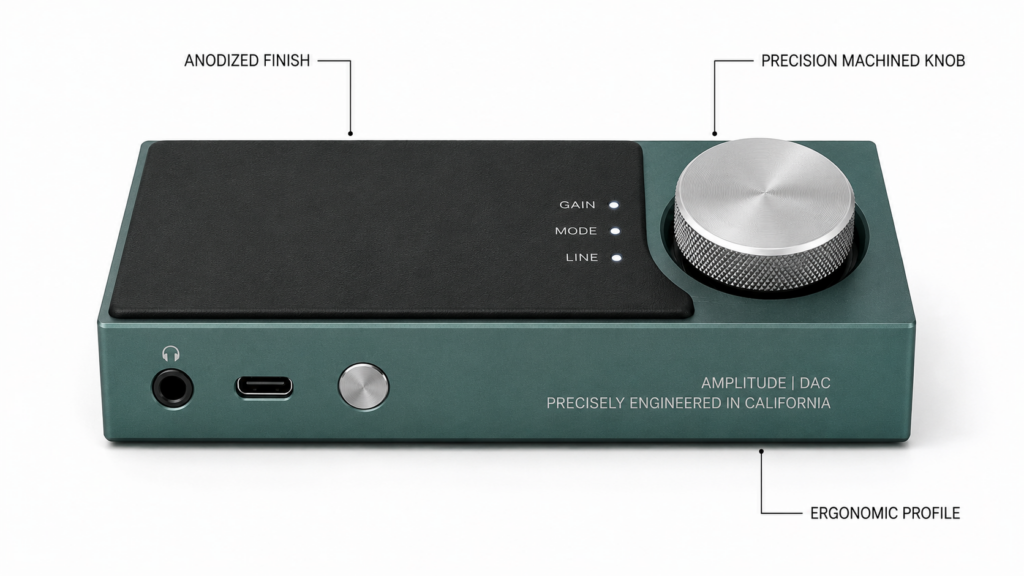
3. CMF: The Sensory Vocabulary of Value
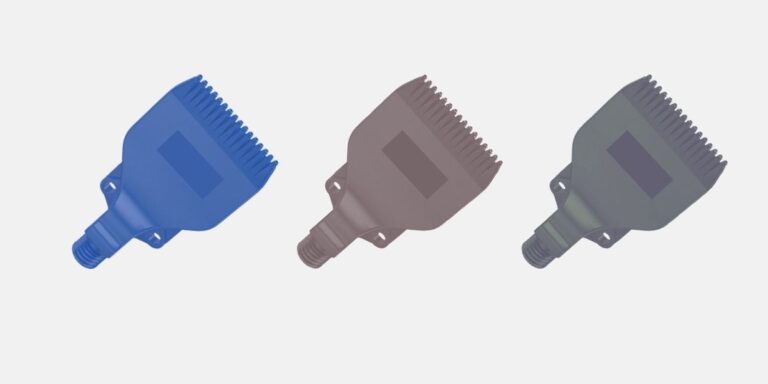
Color, Material, and Finish (CMF) is the sensory language that shapes how users perceive a product beyond their first impression. A well-defined CMF strategy influences tactile perception, material authenticity, and long-term product value while ensuring materials and finishes support efficient manufacturing and scalable production.
To learn practical DFM techniques that improve manufacturability and reduce tooling costs, explore our guide on DFM for injection molding.
Matte textures, brushed metals, and glass interfaces create a premium tactile experience that reinforces perceived product value and strengthens perceived value. By contrast, low-grade glossy plastics create a fundamentally different perception in both the hand and the mind.
- Premium Tactility: Matte finishes, brushed metallic surfaces, and glass interfaces create a tactile experience that users naturally associate with premium-quality hardware.
- Material Integrity: High-quality materials maintain structural and aesthetic consistency under stress and age with greater visual dignity than inexpensive plastics.
- Ethical Sourcing: Contemporary CMF strategy increasingly incorporates responsibly sourced materials, recycled substrates, and environmentally conscious finishing systems aligned with evolving consumer expectations.
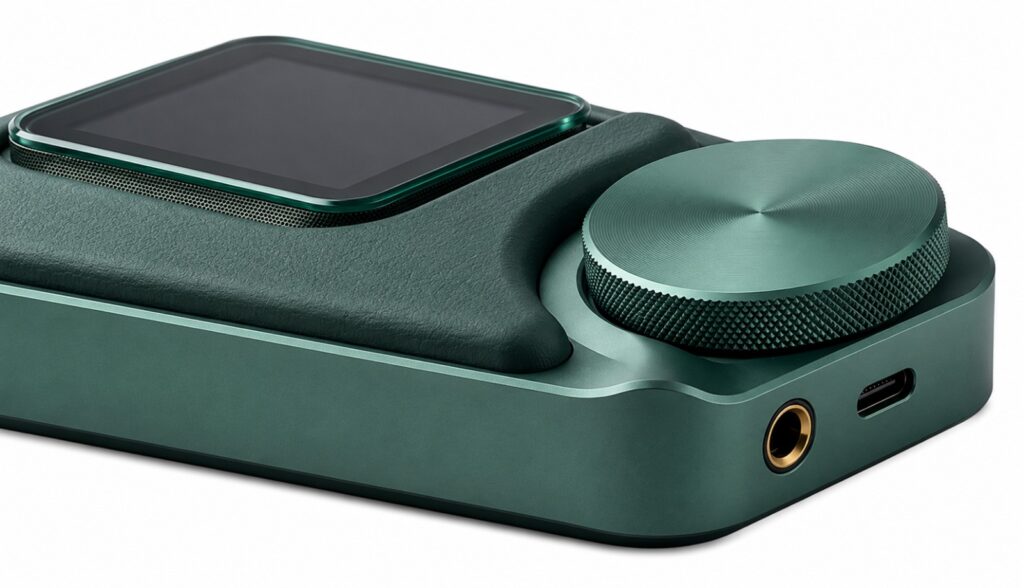
Material selection is no longer purely aesthetic. It is inseparable from performance, sustainability, and brand positioning.
In practice, material selection is often refined through engineering reviews, prototype testing, and manufacturing feedback to ensure the final product balances user expectations, durability, and production efficiency.
Material selection is rarely a one-time decision. Designers must balance appearance, durability, manufacturing methods, product cost, and long-term performance throughout development. For example, a prototype may be produced using materials that support rapid design iterations, while the production version shifts to an injection-molded glass-filled polymer to reduce cost, weight, and manufacturing complexity without compromising functional performance.
If you are at the stage of prototyping or preparing for manufacturing, this is the point where design decisions have the highest impact on cost, usability, and funding outcomes.
Working with a specialised startup product design consultancy can help you validate your design, reduce risks, and accelerate your path to market.
4. Design for Manufacturability (DFM): Scaling Design Intent
A visionary product that cannot be manufactured efficiently at scale is not a scalable hardware platform. It remains a prototype. Design for Manufacturability (DFM) is the discipline that bridges conceptual design intent with industrial production reality making it a critical component of modern industrial design for hardware startups seeking scalable and investment-ready products.
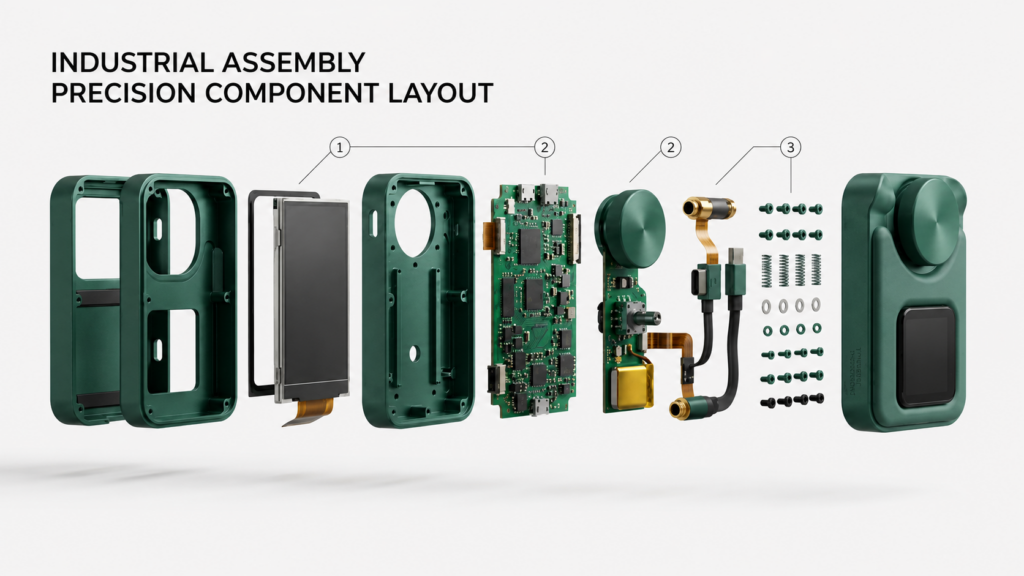
Every industrial design decision carries downstream manufacturing implications — from fastening methodology and component architecture to tolerance management, assembly sequencing, and tooling complexity. A forward-thinking product design and development company considers these factors early to ensure products are not only visually refined but also manufacturable, cost-effective, and scalable for production.
- Thoroughness in Detail: Every decision, from joining methods and component count to fastening strategies, influences manufacturing efficiency, tooling investment, and overall production cost.
- Lean Assembly: Optimizing DFM reduces material waste, simplifies assembly workflows, and preserves industrial design intent throughout scalable manufacturing.
Rams emphasized that good design is thorough down to the last detail. DFM is where that thoroughness intersects with industrial production systems.
Well-resolved DFM also improves sustainability by reducing unnecessary material usage, simplifying disassembly, and enabling more efficient end-of-life recycling processes
A common manufacturability issue occurs when enclosures are designed without proper draft angles or consistent wall thickness. Parts that perform well as 3D prints can warp or crack during injection moulding, leading to costly tooling changes and production delays. Addressing these DFM considerations early reduces redesigns, shortens development time, and lowers overall manufacturing costs.
To understand how common design decisions influence tooling costs, explore our guide on design mistakes that increase injection mold tooling costs before moving into production.
5. Coherent Design Language: Building a Brand Platform
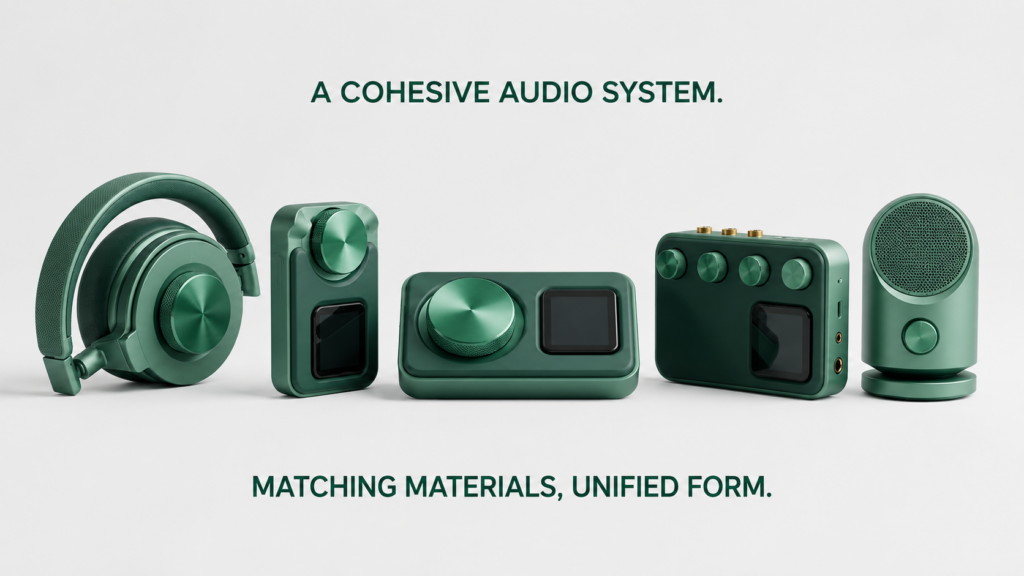
While specifications and features can be replicated, a coherent industrial design language creates long-term differentiation. Industrial design is the most visible and tangible expression of brand identity. In the context of industrial design for investors, it communicates product maturity, scalability, and market readiness.
Consistency across a product family strengthens brand recognition, reinforces product identity, and supports long-term product evolution.It signals that a company is building a scalable design philosophy rather than isolated products.
In practice, a consistent design language also simplifies future product development. Reusing common design elements, interface layouts, material finishes, and manufacturing principles across multiple products helps reduce development effort while creating a stronger and more recognizable brand identity.
- Visual Philosophy: Consistency across a product family, much like Rams’ work at Braun, communicates a unified design philosophy rather than one-off experimentation.
- Cultural Resonance: Products with a recognizable aesthetic identity build familiarity and emotional connection, encouraging long-term brand recognition beyond functionality alone.
Strong industrial design language creates recognition not through repetition, but through coherence in geometry, detailing, material expression, and interaction principles.
6. Hardware UX: Beyond Functional Requirements
In hardware products, User Experience (UX) is shaped by tactile interaction quality, mechanical refinement, and physical affordances. This is especially critical in industrial design for consumer electronics, where everyday interactions directly shape user perception and brand loyalty. The perception of product quality is often shaped through micro-interactions rather than specifications alone.
Every physical interaction—from pressing a button and operating a hinge to opening an enclosure or unboxing the product—shapes how users perceive overall product craftsmanship, reliability, and overall user experience.
- Understandable Form: When product architecture communicates functionality intuitively through form and interaction logic, users feel capable rather than confused.
- Support Optimization: Superior UX anticipates user behavior, reduces interaction ambiguity, and minimizes the need for user support, training, and troubleshooting.
Dieter Rams described good design as understandable. Within industrial design, understandability is both cognitive and emotional. Products that make users feel confident are more likely to build long-term trust, customer satisfaction, and brand loyalty.

7. Investor ROI: How Industrial Design for Hardware Startups Reduces Investment Risk
Investors pay close attention to industrial design because it serves as a visible indicator of execution capability, manufacturing readiness, and commercial maturity. Industrial design for hardware startups help transform early-stage ideas into credible, market-ready products, demonstrating the team’s ability to execute and scale.
A well-resolved product communicates that the team understands user behavior, product positioning, production constraints, and manufacturing realities. Industrial design reduces perceived investment risk by demonstrating the ability to translate strategic insight into manufacturable product architecture —making it a critical component of product design for startup funding.
Market Readiness: A refined product signals strategic prioritization, operational discipline, and production intent.
- Valuation Multiples: Exceptional industrial design supports premium positioning, stronger margins, and increased perceived enterprise value.
Successful hardware startups consistently invest in thoughtful industrial design because it communicates execution capability, manufacturing readiness, and commercial maturity. For many investors, design is one of the first indicators of market readiness before they evaluate technical details or financial projections.
Investors who’ve handled enough prototypes develop a habit: skip the render, go straight for the seams. They run a thumb along joints, question every fastener, and ask if that enclosure could survive an actual mould, not just a screen. These small details reveal an engineering maturity that design alone cannot fake. A prototype that passes this test says the team has already wrestled with manufacturability, not just aesthetics, giving investors greater confidence that the team is ready to move toward production.
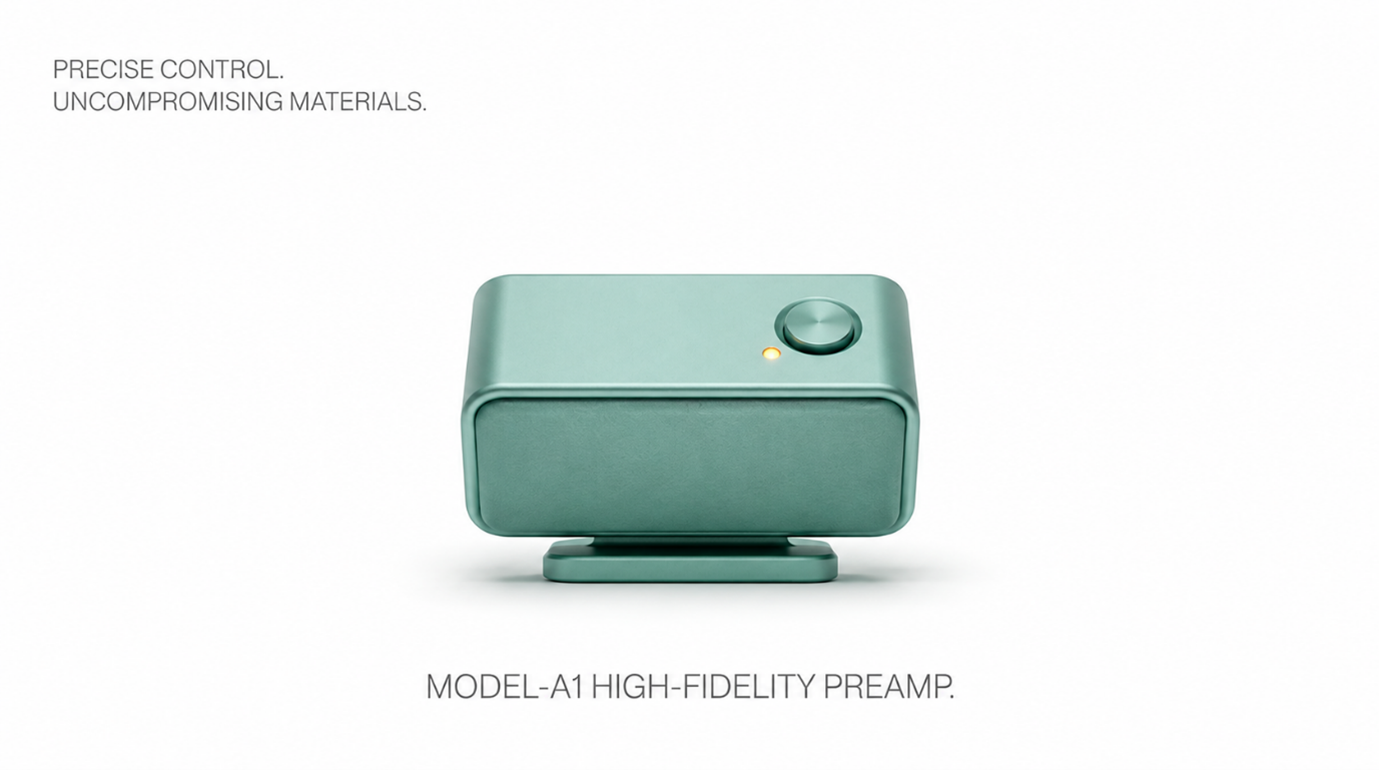
Design Is the Strategy
Industrial design is not a standalone department or a downstream styling phase. It is an integrated discipline that brings together engineering, usability, manufacturing intelligence, CMF strategy, brand identity, and commercial viability into a unified product vision. Companies like Engon Technologies help hardware startups bridge these disciplines to create products that are both manufacturable and market-ready.
For startups operating within constrained timelines, limited capital, and highly competitive markets, investing in refined industrial design is one of the most efficient ways to improve funding readiness, strengthen market perception, and accelerate adoption.
Long-term product success is rarely determined by feature count alone. They are the products that understand human behavior deeply and translate that understanding into coherent form, intuitive interaction, material authenticity, and scalable manufacturing execution — from the first sketch to the final assembly.
In practice, successful industrial design is never one discipline working alone. It is user insight, engineering judgment, and manufacturing knowledge, and business strategy resolved together from the earliest sketches, not bolted on later. Startups that integrate these perspectives early reduce redesign risk, shorten the path to production, and enter funding discussions with products that are genuinely ready to scale.