

Something can seem perfect while being drawn up. Even if digital plans are sharp, things operate as expected at first, yet real trouble often begins later. However, when the product enters large-scale production, many companies experience unexpected product design failures in manufacturing.
It shows up since making prototypes isn’t anything like full-scale fabrication. One moment you’re shaping parts with adaptable methods – CNC mills, say – or layering them in a 3D printer. The next shift arrives: factories need uniform routines that run without surprise. That transition often challenges many teams when moving from test models to large production batches. Problems arise when designs assume perfect consistency, but real manufacturing introduces natural variations
A lot of smaller factories face setbacks when problems pile up – costs rise, timelines stretch, sometimes everything halts before launch. Spotting frequent roadblocks early lets teams shape designs with real-world building in mind right away. This is why many companies turn to specialized engineering partners like Engon Technologies to review designs early and ensure they are ready for scalable production.
Working with experts who understand design for manufacturing (DFM) and production realities can help prevent these costly problems. For US manufacturing SMEs looking to scale production efficiently, engineering support services such as engineering outsourcing for US manufacturing SMEs can help validate designs, optimize manufacturability, and reduce the risk of product design failures before production begins.
The Prototype vs Production Reality
Prototypes are typically produced in low quantities using flexible processes like 3D printing, CNC machining, or manual assembly. Mass manufacturing, however, relies on repeatable processes such as injection molding, stamping, casting, and automated assembly.
This difference is why many design to manufacturing problems appear only after scaling production.
Manufacturing Readiness Importance for Small Businesses
Ready to make means the plan works every time, without hiccups. Skip that step; firms run into trouble like delays or wasted parts
- Production delays
- Increased scrap rates
- Tooling redesign costs
- Supplier conflicts
- This is why many SMEs seek engineering outsourcing for manufacturing to validate designs before moving into large-scale production.
The Hidden Price of Mistakes in Making Things
Mistakes spotted while designing might set you back a few hundred bucks to correct. When found later – once things are rolling – it could mean losing way more than that.
Understanding the root causes of product design failures in manufacturing can help companies avoid these costly setbacks.
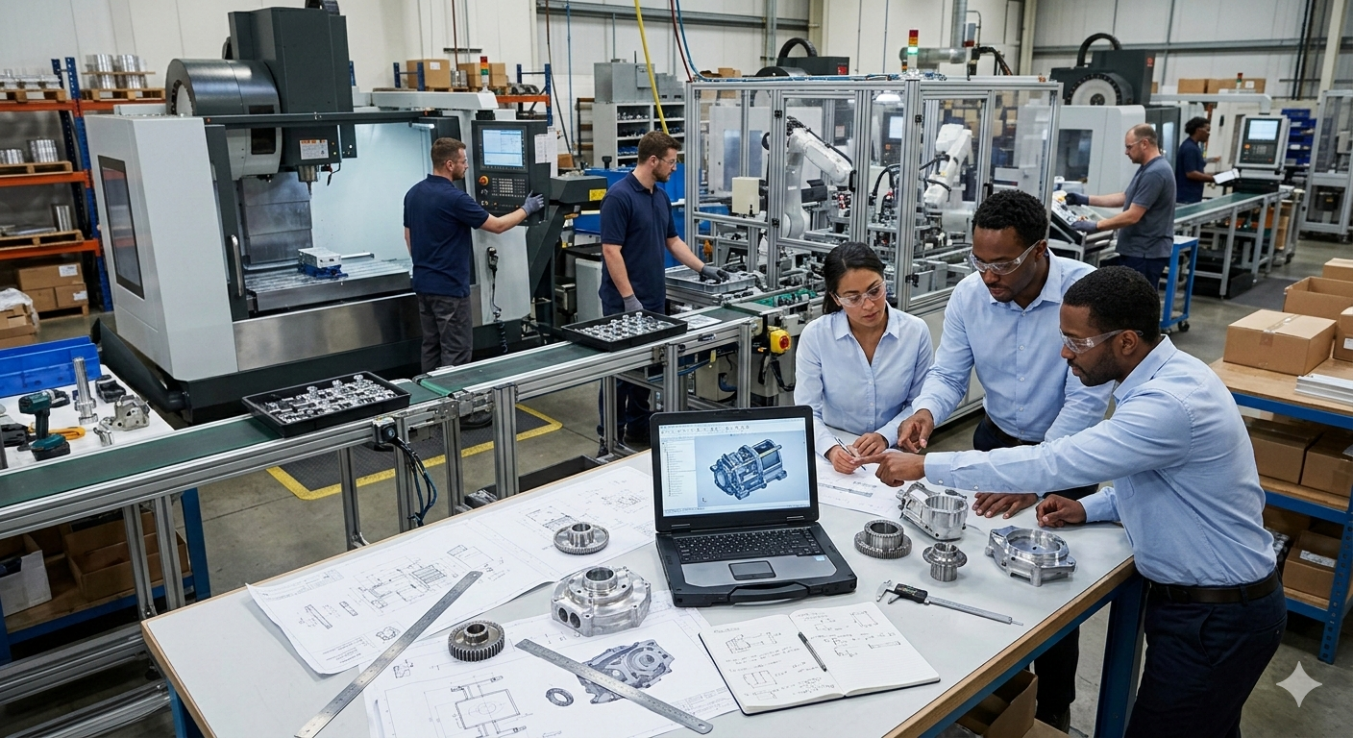
Ignoring DFM Principles: A Common Cause of Product Design Failures in Manufacturing
A frequent error in design for manufacturing shows up when performance grabs all the attention, leaving production limits out of sight. Though sleek function might look ideal, real-world building often hits roadblocks if practical assembly isn’t weighed early. Details like material choice or part complexity slip through when speed and output take center stage. Without balancing both sides, even brilliant concepts stall before reaching customers.
Built right, a product moves smoothly through production when tools and methods match its design. Yet if shapes get too tricky – like sharp angles, narrow sections, or sunken areas – machining slows down or breaks down. Smooth paths depend on early checks, not late fixes. Odd forms often demand special tooling, more time, and higher cost. When geometry ignores reality, output stumbles before it starts. Planning ahead avoids traps hidden in corners and curves.
These design for manufacturability issues significantly increase production costs and manufacturing time. A manufacturing-friendly design simplifies geometry, reduces machining operations, and minimizes unnecessary complexity.
Mini Case Study
A Texas industrial equipment startup developed a precision aluminum housing that performed perfectly during prototype machining. When production started, manufacturers discovered impossible tolerances and extremely complex tool paths. After redesigning the component using DFM analysis, machining time dropped by 38% and production became scalable.
Unrealistic Tolerances That Lead to Product Design Failures in Manufacturing
Many engineering teams design products with extremely tight tolerances to achieve precision. However, unrealistic tolerances often lead to serious manufacturing tolerance issues during production.
One part might fit just fine on its own. Yet when several come together, tiny differences add up – shifting things out of place. Sometimes those shifts go beyond what machines at a factory can handle. That mismatch leads to more pieces getting tossed aside, never making it into the final build. Quality wobbles as a consequence.
Effective tolerance engineering balances precision with manufacturability. Instead of forcing unnecessary accuracy, engineers should design tolerances that reflect realistic production capabilities.
Mini Case Study
A German automation company designed a robotic assembly component with extremely tight tolerances. Suppliers struggled to maintain consistency during volume production. After performing tolerance stack-up analysis and adjusting specifications, manufacturing yield improved by 22%.
Prototype Materials Don’t Match Production Materials
Material differences are a major reason for prototype-to-production failure.
When building early models, teams might pick quick-to-shape stuff like printed resin or bendy plastic. Still, what gets used in the real product can handle stress, heat, or movement in another way entirely.
For example, a part designed for 3D-printed resin may behave differently when produced using injection-molded ABS. Without proper material engineering analysis, these differences can lead to structural failures or performance issues.
Mini Case Study
A California consumer hardware startup prototyped parts using 3D-printed resin but later switched to injection-molded ABS for production. The design lacked reinforcement for the new material, causing failures during stress testing. Engineers redesigned the structure to support the production material.
Designs That Ignore Assembly Complexity Cause Product Design Failures in Manufacturing
Another major contributor to design to manufacturing problems is ignoring how a product will actually be assembled.
One way to cut down on work during building is to make things easier to put together. Fewer pieces mean less trouble fitting them later. When a product uses too many fasteners or tiny bits, it takes longer to build. Time spent putting parts together adds up quickly. More hands-on effort means higher expenses in the long run.
Fewer pieces mean less clutter during build. With room to move, tools reach spots faster. Order matters – step-by-step setup cuts delays. Efficiency climbs when steps follow a clear path.
Mini Case Study
A Dutch electronics manufacturer designed a device that required 18 screws during assembly. After redesigning the product using DFA principles, the screw count was reduced to eight, cutting assembly time by 35%.
Supplier Capabilities Gaps Cause Product Design Failures in Manufacturing
Most design groups think vendors can make anything. Yet every supplier works within fixed equipment, tools, and gaps. Machines differ. Tooling varies. and production methods place practical constraints on what can actually be built. Ignoring these realities is one of the common causes of product design failures in manufacturing.
When designs exceed supplier capabilities, production delays and redesigns become inevitable. Evaluating supplier equipment, process expertise, and production capacity early helps prevent these manufacturing readiness issues.
Many companies address this by working with external engineering experts through services like engineering outsourcing for US manufacturing SMEs, which helps validate designs against real supplier capabilities before production begins.
Mini Case Study
A Midwest industrial product company selected a supplier without the required 5-axis machining capability needed for their design. Engineers redesigned the component for 3-axis machining, allowing the supplier to manufacture it efficiently.
Overlooking Tooling Requirements Leads to Product Design Failures in Manufacturing
Tooling is one of the largest investments in manufacturing, especially for processes like injection molding or die casting. Ignoring tooling requirements during product design can cause significant tooling design issues in manufacturing.
Fewer twists in a shape mean fewer extra parts inside the mold – like sliders or lifts – that take longer to build, pushing up price and wait time. Starting simple, thinking about how it will be made right away helps dodge those delays. Instead of packing in details later, shaping choices at the start quietly cuts complications down.
Mini Case Study
A French automotive supplier encountered tooling delays because their mold design required multiple side actions. Engineers simplified the part geometry, reducing tooling complexity and lowering production costs.
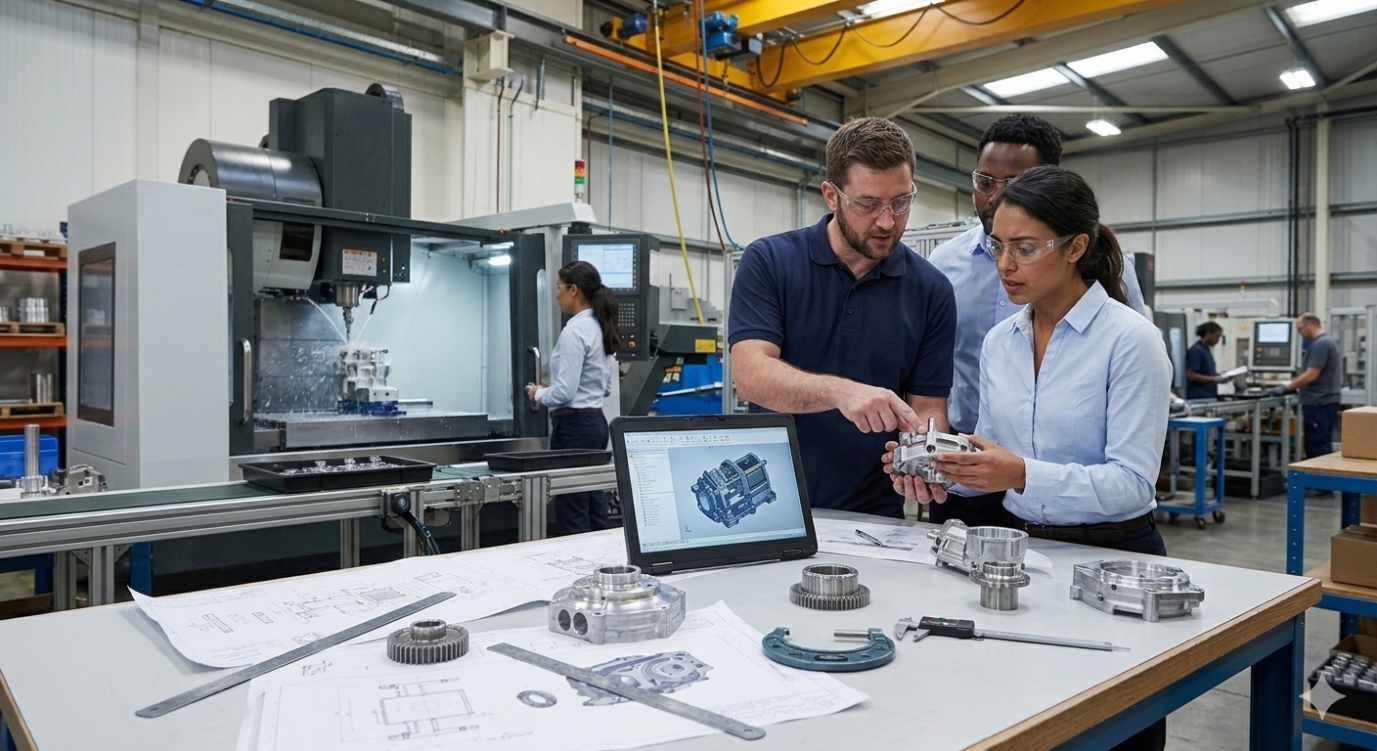
Design Does Not Account for Manufacturing Variability
A few things stay exactly the same when making products. When plans act like everything will be perfect, problems usually show up once production begins. This is one of the overlooked reasons behind many product design failures in manufacturing, where designs fail to account for real-world production variability.
Tiny shifts in machines, worn-out tools, changing temperatures, and inconsistent material properties can all affect part dimensions during manufacturing. If a design can’t handle such hiccups, what you get are wobbles between good and bad.
Possibly the most useful tools for engineers come from statistics – Cp and Cpk reveal how well a process can meet specs. These numbers show whether production stays within limits when parts are actually built. Instead of guessing, teams rely on them to adjust designs so small variations won’t cause failures. Real-world output often drifts; these metrics highlight just how much room exists before things go wrong.
Mini Case Study
A medical device manufacturer experienced inconsistent product fit during production. Process capability analysis revealed machine variability that required tolerance redesign to stabilize production quality.
Product Testing Doesn’t Reflect Real Manufacturing Condtions
A single test might go smoothly, yet things fall apart when making many – reality hits different. Production lines move faster than lab setups ever do. Machines hum louder, workers rush tasks, and dust collects where it should not. Even slight heat changes can twist outcomes. What works once often cracks under repetition. Surprises wait just beyond controlled rooms.
Laboratory settings usually host early tests on prototypes. Yet actual usage demands resilience against shaking, shifting temperatures, physical strain, and extended operation.
Effective production validation testing includes environmental testing, stress testing, and reliability validation. Many manufacturers therefore rely on specialized engineering support engineering outsourcing for US manufacturing SMEs to ensure products are properly validated before full-scale production.
Mini Case Study
A UK hardware startup successfully passed laboratory testing but failed during production vibration testing. Engineering adjustments improved structural durability and solved the problem.
Lack of Cross-Functional Engineering Review
Many product design failures in manufacturing occur because engineering teams work in isolated departments.
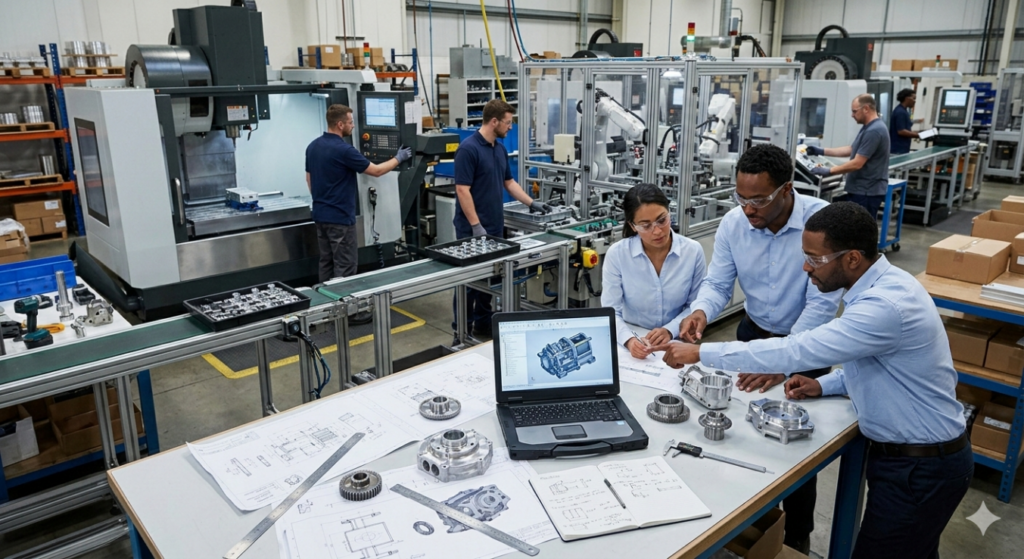
When design engineers work apart from those building the parts, problems often show up near the end. Late surprises happen if teams shaping the process ignore feedback from factory planners.
Ahead of the first prototype, engineers walk through plans step by step. That way, problems show up early instead of during assembly. Each checkpoint tests if the design can actually be built. Only when every detail holds up does it move forward.
Mini Case Study
A Chicago robotics company experienced production delays because design engineers never consulted manufacturing teams. After introducing cross-functional design reviews, several critical design issues were resolved early.
Conclusion
Starting a good design doesn’t guarantee success when it’s time to build at scale. Problems often pop up if how something will be made isn’t part of the early thinking.
Focusing on how things are built helps cut down errors later. When engineers work together early, problems show up sooner. Testing ideas before building them saves time and money. Many manufacturers also work with experienced engineering partners Engon Technologies to ensure designs are validated for real-world production. Skipping these steps often leads to expensive setbacks. Getting it right means products move smoothly from idea to store shelves.