

In today’s competitive manufacturing landscape, U.S. businesses are under constant pressure to innovate faster, optimize costs, and maintain high-quality engineering output. One strategic solution gaining momentum is offshore mechanical engineering partnerships. From startups developing IoT hardware to large-scale OEMs designing industrial machinery, companies are increasingly turning to overseas engineering firms to meet their design, prototyping, and production needs.
These collaborations not only bridge skill gaps but also provide access to advanced technologies, flexible resources, and faster development cycles—without compromising precision or quality. Partnering with experienced global firms like Engon Technologies enables U.S. manufacturers to scale their mechanical design outsourcing capabilities efficiently and cost-effectively.
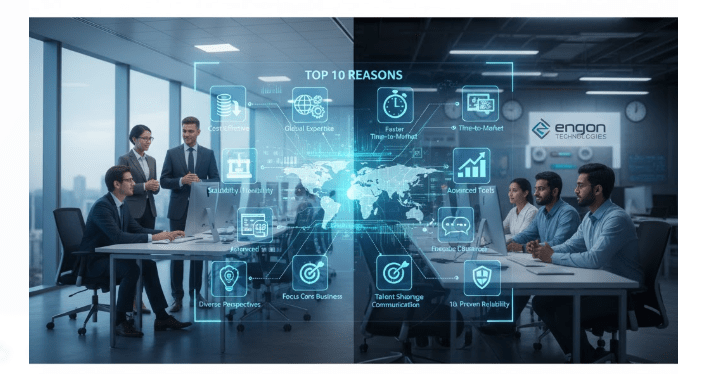
Let’s explore the top 10 reasons why U.S. businesses are choosing offshore mechanical engineering partners and how this approach is transforming modern product development.
Cost-Effective Engineering Without Quality Compromise
Outsourcing mechanical design services offshore is one of the most effective ways to control costs whilfor e maintaining global standards. Labor and operational expenses in countries like India are significantly lower than in the U.S., enabling companies to achieve more for less.
However, cost-effectiveness doesn’t mean cutting corners. Reputed firms like Engon Technologies combine affordable engineering talent with certified design processes and advanced CAD/CAE tools to deliver exceptional results. Clients gain access to expert mechanical engineers capable of executing projects with high precision—from initial CAD/ CAE engineering USA modelling to complex finite element analysis (FEA).
By optimizing budgets and minimizing overheads, U.S. businesses can allocate resources more strategically—focusing on R&D, innovation, and market expansion—while their offshore mechanical engineering partner manages the technical heavy lifting.
Access to Specialized Global Expertise
Global mechanical design firms offer a wide range of domain expertise that’s often difficult or expensive to maintain in-house. Offshore teams bring experience across industries such as automotive, consumer electronics, aerospace, and industrial machinery.
Engon Technologies, for instance, provides end-to-end mechanical engineering services for US companies, including CAD modelling, simulation, reverse engineering, and prototype validation. Their engineers are proficient in leading tools like SolidWorks, Creo, and AutoCAD, ensuring precision-driven results that align with U.S. industry standards.
Access to specialized skill sets enables American companies to address complex mechanical challenges quickly—whether it’s optimizing enclosure design, improving thermal management, or re-engineering legacy components. This knowledge diversity helps accelerate product design outsourcing innovation while maintaining reliability and safety.
Faster Time-to-Market
In highly competitive markets, the speed of innirmsovation often determines success. Offshore mechanical design partnerships significantly reduce product development cycles through 24/7 workflows. When a U.S. company collaborates with an overseas partner like Engon Technologies, time zone differences become an advantage. While the U.S. team concludes its day, the offshore team continues progress overnight—resulting in continuous project movement and faster turnaround times.
Moreover, these digital collaboration tools enable real-time updates, version tracking, and faster design reviews—ensuring no time is wasted in communication gaps or redundant iterations. Engon Technologies uses structured sprint cycles and milestone tracking, allowing clients to monitor every stage of development. This approach not only accelerates delivery but also improves overall design accuracy and accountability. By aligning design speed with market demands, businesses gain the agility to adapt to changing customer needs and emerging technologies—turning mechanical design into a true competitive advantage.
Scalability and Resource Flexibility
One of the biggest challenges for U.S. manufacturers is managing fluctuating project demands. Offshore engineering partnerships provide instant scalability—allowing businesses to ramp design teams up or down based on workload. Instead of hiring and training new engineers for every project, U.S. firms can rely on offshore mechanical engineering teams that are ready to deploy skilled professionals as needed. This flexibility minimizes fixed costs and maximizes operational efficiency.

Engon Technologies offers scalable engagement models, from dedicated teams to project-based collaborations. This adaptability ensures that clients always have the right level of support—whether for a short-term design sprint or a full product lifecycle engagement. Additionally, scalability plays a crucial role in helping businesses stay resilient during uncertain market cycles. When demand spikes—such as during a new product launch or large client order—offshore partners can immediately augment design capacity without disrupting timelines. Conversely, during slower periods, U.S. companies can scale down without the burden of maintaining idle resources or additional payroll commitments.
This elasticity empowers organizations to stay clean, efficient, and competitive. With Engon Technologies, companies also benefit from structured onboarding frameworks that make scaling seamless—ensuring new engineers integrate quickly into ongoing projects, adhere to established design standards, and maintain consistent quality output.
Such a partnership not only saves time and money but also enhances project agility. Whether it’s accelerating a prototype phase, conducting mechanical stress simulations, or refining CAD assemblies, Engon’s team ensures every scale-up or scale-down transition happens smoothly. Ultimately, scalable offshore models redefine how U.S. manufacturers operate—transforming mechanical design capacity into a truly on-demand service that grows and adapts alongside business goals.
Access to Advanced Tools and Technologies
Modern mechanical design requires advanced software, simulation tools, and rapid prototyping technologies. However, maintaining these systems in-house can be prohibitively expensive. Offshore partners often invest heavily in state-of-the-art tools to stay competitive.
With firms like Engon Technologies, U.S. clients gain access to a full suite of modern platforms—ranging from mechanical CAD modelling (Creo, SolidWorks) to CAE (ANSYS, Hyper Mesh) and 3D printing. These technologies enhance design precision, optimize material usage, and enable quick virtual testing before physical prototyping.
By leveraging offshore partners’ technology infrastructure, U.S. companies benefit from world-class design capabilities without the financial burden of software licenses or specialized hardware investments.
Overcoming Engineering Talent Shortages
The U.S. faces a persistent shortage of skilled mechanical engineers, especially in advanced manufacturing sectors. According to industry reports, demand for mechanical engineering firms in India is outpacing supply, making it challenging for businesses to maintain in-house design teams.
Offshore mechanical engineering partnerships bridge this gap. Companies like Engon Technologies employ highly trained engineers who bring strong technical foundations and global exposure. By tapping into this international talenesign t pool, U.S. firms can fill expertise gaps quickly—without the delays and costs of recruitment or relocation.
This access ensures continuity, innovation, and a reliable pipeline of engineering excellence regardless of local hiring constraints.
Enhanced Focus on Core Business Functions
Outsourcing engineering tasks enables companies to redirect internal resources toward their strategic priorities—such as R&D, customer relations, and sales.
When a trusted offshore partner like Engon Technologies manages design documentation, prototype development services, and simulations, the in-house team can focus on conceptual innovation and market growth. This division of responsibilities enhances productivity and ensures that each team operates within its area of strength.
Delegating technical execution to specialized experts results in faster progress, reduced managerial overhead, and improved overall efficiency—allowing businesses to stay focused on what they do best.
Seamless Communication and Collaboration Tools
Gone are the days when outsourcing meant communication barriers and project delays. Today’s offshore mechanical engineering firms use modern digital collaboration platforms—like Microsoft Teams, Asana, and cloud-based PLM tools—to maintain real-time visibility and transparency.
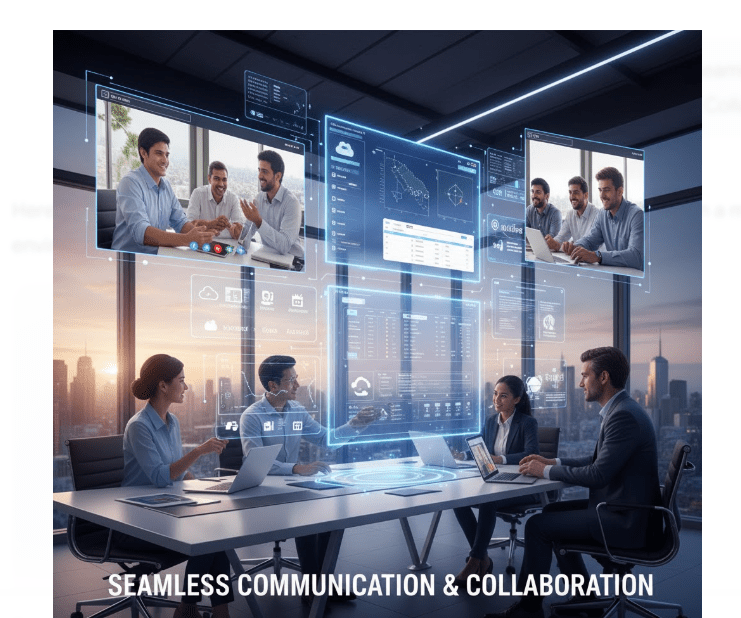
Engon Technologies adopts structured communication protocols, weekly progress reports, and milestone-based project tracking to ensure seamless interaction across geographies. Their teams are trained to align with U.S. clients’ working styles, documentation standards, and project management frameworks.
This approach eliminates friction and fosters a collaborative culture—ensuring that design feedback loops are quick, revisions are tracked accurately, and final outputs meet client expectations perfectly.
Continuous Innovation Through Diverse Perspectives
Offshore teams often bring fresh perspectives that drive design innovation. Exposure to varied industries and global clients allows these engineers to approach problems creatively, offering solutions that internal teams may overlook.
Engon Technologies, for instance, blends Western design sensibilities with a deep understanding of cost-efficient engineering practices. This combination results in innovative yet practical solutions—whether optimizing a mechanical assembly for manufacturability or reducing material waste in prototyping.
Diverse perspectives foster breakthrough innovations that enhance product performance, aesthetics, and reliability—all while maintaining competitive cost structures. For U.S. manufacturers, this creative synergy becomes a major competitive advantage.
Proven Track Record and Long-Term Reliability
A successful partnership is built on trust, consistency, and results. Leading offshore firms like Engon Technologies have established long-term relationships with global clients by consistently delivering precision, reliability, and innovation.
Their process-driven approach—covering concept design, digital validation, and prototype fabrication—ensures that every project is executed to international quality standards. Transparent pricing, IP protection policies, and NDAs further build confidence among U.S. partners.
Choosing a reliable offshore engineering partner doesn’t just solve short-term capacity issues—it creates a foundation for sustainable growth and collaborative product development in the long run.
Conclusion: The Future of Global Mechanical Collaboration
As the manufacturing world becomes more interconnected, offshore mechanical engineering partnerships are no longer just a cost-cutting measure—they are a strategic enabler of innovation, efficiency, and speed.
By working with trusted partners like Engon Technologies, U.S. businesses gain access to world-class engineering expertise, cutting-edge design tools, and a flexible workforce capable of turning ideas into reality. Whether it’s developing a new product, optimizing an existing one, or scaling operations, offshore collaboration opens doors to endless possibilities.
In an era defined by rapid technological advancement and global competition, the smartest move isn’t just to build locally—but to think globally.