

Introduction: Why Innovation at Scale Is Crucial Today
Today’s competitive business environment demands scaling innovation as a necessary strategy for survival. Technological change is faster than ever across industries from consumer electronics to automotive and medical devices. Companies that do not innovate risk losing market share, customer loyalty, and long-term growth. The challenge is that scaling innovation requires speed, accuracy, and cost-effectiveness. Traditional strategies involve creating large in-house teams and investing heavily in infrastructure. However, this approach is becoming less practical for companies facing budget limits, global competition, and changing customer needs.
Recruitment cycles for highly specialized engineers can take months, creating delays that slow down product launches. Meanwhile, overhead costs such as salaries, benefits, training, and compliance make in-house expansion a heavy financial commitment. In fast-moving markets, these factors create bottlenecks that businesses can no longer afford.
Organizations seek to business innovation strategy without increasing costs or prolonging development timelines. They need a model that is agile, affordable, and can provide specialized expertise on demand. This is where Engineering-as-a-Service (EaaS) comes in as a solution—giving businesses the ability to scale resources instantly, reduce operational risks, and maintain speed-to-market without the traditional constraints of building internal teams.
The Challenge of In-House Expansion
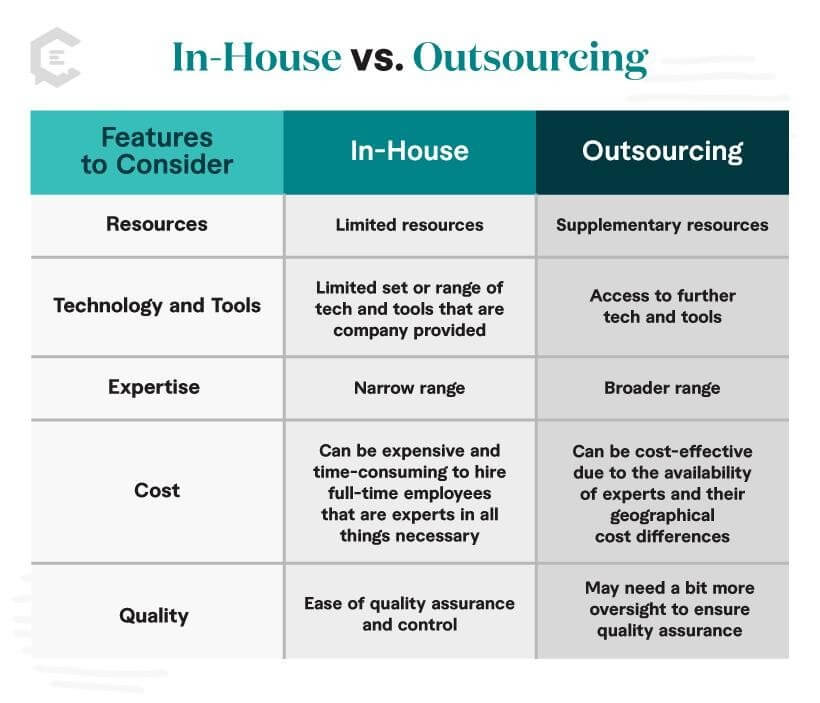
For years, companies thought that expanding solution with innovation challenges in business was the key to innovation. While having in-house experts offers control, it also creates challenges that slow down progress and raise costs.
- First, the cost of hiring and keeping specialized engineers is rising. Roles like design engineers, CAD experts, and prototyping specialists demand high salaries and benefits. Adding these workers to payroll leads to long-term commitments that may not match changing project needs.
- Next, consider the overhead expenses. Companies must invest beyond salaries in areas like office space, software licenses, hardware, compliance measures, and ongoing training. These costs accumulate quickly, making in-house expansion a financial burden for firms wanting to stay efficient.
- Finally, innovation bottlenecks are a real concern. Finding top talent takes time. Recruitment for niche engineering roles can take months, delaying critical product launches. In a time when speed-to-market can determine success, these delays are costly.
This highlights the relevance of the debate between in-house vs outsourced engineering. The truth is clear: for many companies, expanding in-house teams is no longer the best way to solve innovation challenges.
Engineering-as-a-Service: A Smarter Model for Growth
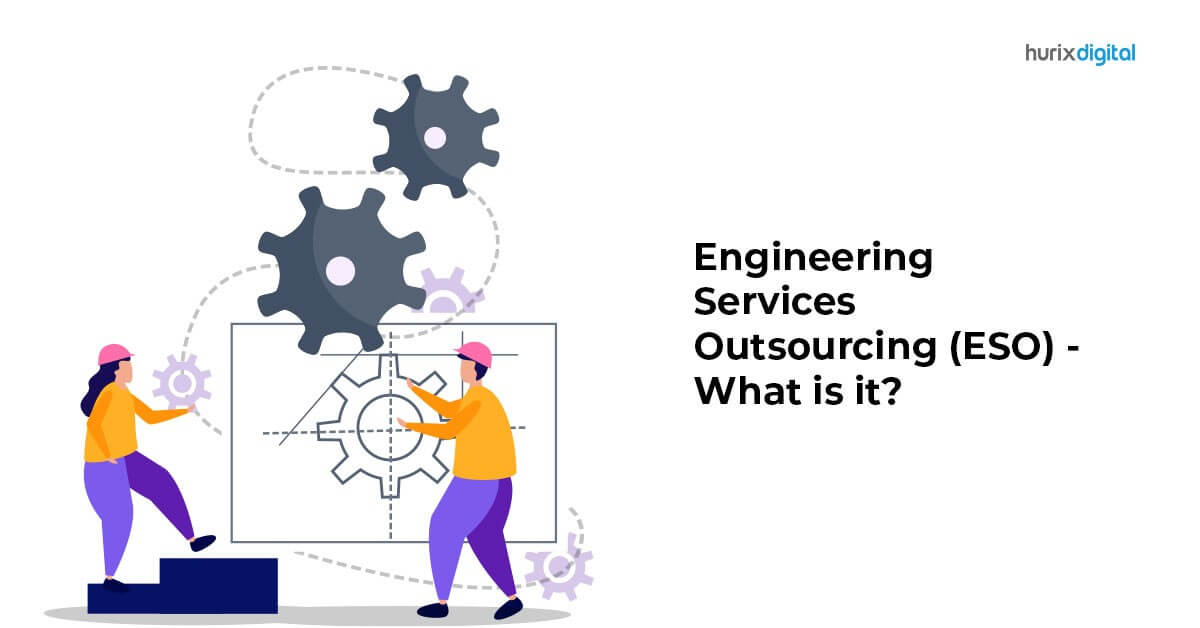
Enter Engineering-as-a-Service (EaaS), a flexible approach that allows companies to tap into global engineering talent without the burden of full-time hires.
So what is EaaS? It’s similar to Software-as-a-Service (SaaS). Rather than investing in permanent resources, businesses can access specialized engineering services as they grow. This means they can increase resources during busy times—like product development, prototyping, or testing—and decrease them when projects finish without the financial pressure of maintaining idle teams. Engon’s outsourced engineering solutions embody this concept. We provide businesses with quick access to experts in mechanical design, CAD drafting, reverse engineering, simulation, and prototyping right when they need them. There are no recruitment delays or infrastructure costs, just specialized expertise delivered efficiently.
The benefits extend beyond cost savings. EaaS enables businesses to scalable innovation without sacrificing quality or speed. By tapping into a global network of engineers, companies can speed up development cycles, maintain flexibility, and respond to market demands faster than before.
How Outsourcing Enables Lean, Fast, Smart Innovation
Innovation today needs to be lean, quick, and smart. Here’s how outsourcing to an EaaS provider like Engon makes this possible.
- Lean: With no fixed overhead, companies avoid the burden of full-time salaries, office space, and costly software licenses. They pay for services only as needed, matching costs to actual project demands. This supports lean product development, where efficiency and agility are crucial.
- Fast: Time-to-market is vital. By accessing a global talent pool, businesses cut out lengthy hiring processes. Engon can put together a skilled team within days, not months, ensuring faster innovation cycles that give companies an edge.
- Smart: Innovation isn’t just about speed. It’s also about accuracy and expertise. With Engon, businesses gain specialists across fields—drafting engineers, simulation experts, prototyping teams—providing engineering outsourcing benefits that lead to smarter decisions and better products. Whether for short-term design help, complex prototyping, or ongoing development, outsourcing guarantees the right skills at the right time.
Case Example: Competitive Edge Without In-House Expansion
Imagine a mid-sized consumer electronics company aiming to launch a new product line for emerging markets. Their internal engineering team was already operating at full capacity, juggling multiple projects, and unable to take on additional design and prototyping work. Hiring new engineers seemed like the only option, but it came with serious drawbacks—lengthy recruitment cycles, higher overhead costs, and the risk of project delays. In fact, projections showed that bringing new hires on board would push the launch back by at least six months and significantly increase operational expenses.
Instead of following the traditional route, the company turned to Engon for engineering outsourcing case study. Within just one week, Engon assembled a dedicated remote team of experts in mechanical design and rapid prototyping. Leveraging advanced CAD tools, simulation techniques, and quick prototyping methods, Engon streamlined the development process and delivered high-quality functional prototypes well ahead of schedule.
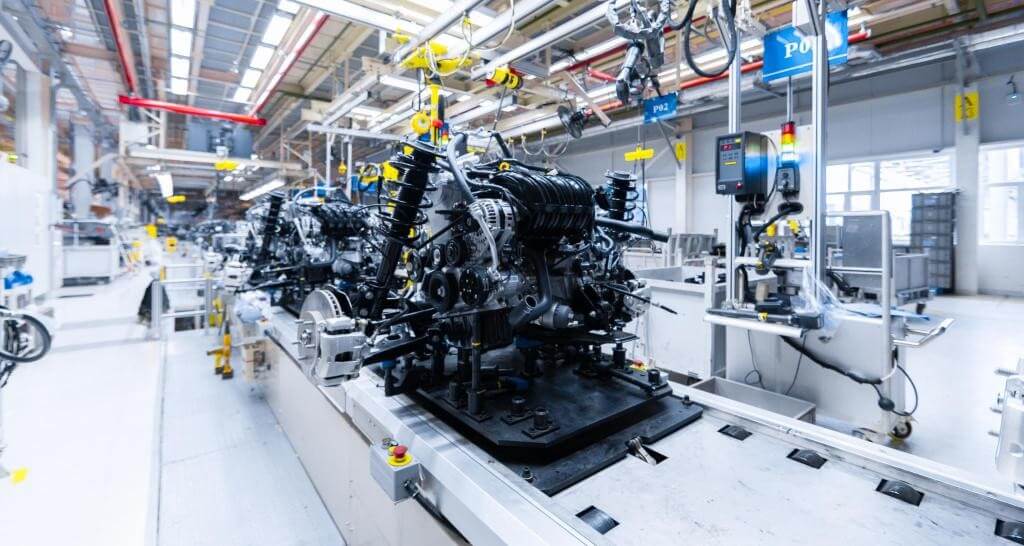
The results were game-changing. The company successfully launched its new product three months earlier than planned while reducing development costs by 30%. This real-world example demonstrates the power of Engineering-as-a-Service (EaaS)—enabling businesses to scale quickly, maintain agility, and achieve innovation without the financial and operational burden of permanent hiring.
Industries Benefiting From This Model
The Engineering-as-a-Service model isn’t restricted to one area—it’s transforming various industries.
- Manufacturing: Companies in consumer goods and automotive rely on outsourcing for complex product design, prototyping, and compliance testing. This engineering outsourcing for manufacturing helps reduce costs while ensuring precision and quality.
- Medical Devices: Innovation here requires speed and strict compliance. Outsourcing design and simulation tasks help companies meet regulatory requirements while speeding up development cycles. It ensures access to specialized skills without the need for in-house expansion.
- Consumer Electronics: Fast product refresh cycles and high competition make outsourcing essential for electronics brands. From enclosures to internal components, Engon aids innovation from concept to production.
Across all these fields, the common thread is evident: businesses need scalable, flexible solutions to remain competitive.
The Future of Innovation: Scalable Partnerships, Not Bigger Teams
The future of innovation in business isn’t about creating large internal teams. It involves forming smart, scalable partnerships that promote flexibility and speed. Traditional methods based on expanding in-house departments are giving way to agile ecosystems where outsourcing plays a vital role in driving innovation. Here’s why scalable partnerships are key for the future of innovation: –
Agility Over Expansion
Large in-house teams limit flexibility. Scalable partnerships let companies adjust quickly to changing market conditions without the burden of permanent hires.
Cost-Efficiency as a Competitive Advantage
Building and maintaining extensive teams requires high fixed costs—salaries, benefits, infrastructure, and compliance. Engineering-as-a-Service (EaaS) removes these burdens, allowing lean operations where businesses pay only for what they need.
Access to Specialized Expertise on Demand
Innovation cycles are becoming shorter. Companies cannot afford delays from long hiring processes. EaaS provides immediate access to cutting-edge skills in areas like CAD design, simulation, prototyping, and reverse engineering.
Faster Time-to-Market
Speed is essential. Scalable partnerships enable companies to quickly ramp up resources, ensuring products are developed and launched ahead of competitors.
Resilience and Risk Management
In a fluctuating economy, flexibility is an asset. Outsourcing lowers risk by converting fixed costs to variable costs, protecting businesses in uncertain times.
Collaboration as the New Normal
The future of innovation lies in collaborative ecosystems rather than isolated teams. Partnerships make it possible to innovate smarter, not just larger. As technology advances and competition grows fiercer, companies adopting Engineering-as-a-Service will lead the next wave of innovation. By opting for scalable partnerships over traditional growth, organizations can future-proof their operations, cut costs, and stay competitive.
The bottom line is that the future of innovation doesn’t revolve around getting bigger—it’s about partnering smarter.
Conclusion
In a time where speed and flexibility determine success, expanding your in-house engineering team is no longer the best way to drive innovation. Traditional hiring methods face many challenges—high fixed costs, lengthy recruitment processes, and limited adaptability—all of which hinder your response to market needs.
Engineering-as-a-Service (EaaS) presents a better option. Engon’s EaaS model allows businesses to innovate at scale without the weight of permanent hires. By connecting with a global network of engineering experts, you can access specialized skills—like mechanical design, CAD modelling, simulation, prototyping, or reverse engineering—exactly when you need them. The advantages are evident: streamlined operations with no unnecessary overhead, faster time-to-market through quick talent deployment, and smarter innovation strategies driven by on-demand expertise. This method gives your business the ability to easily scale projects up or down, keeping you competitive in a rapidly changing market.
Now is the time to reconsider your approach to innovation. Don’t let resource limitations hold your business back. Explore how Engon can facilitate leaner, faster, and smarter innovation for companies like yours.
Request a Free Innovation Consultation today and discover the future of scalable engineering solutions. Let Engon assist you in developing the agility and expertise you need to outpace the competition.