



The Rise of Distributed Mechanical Design Teams: How Outsourced Engineering Is Changing the Game in 2025
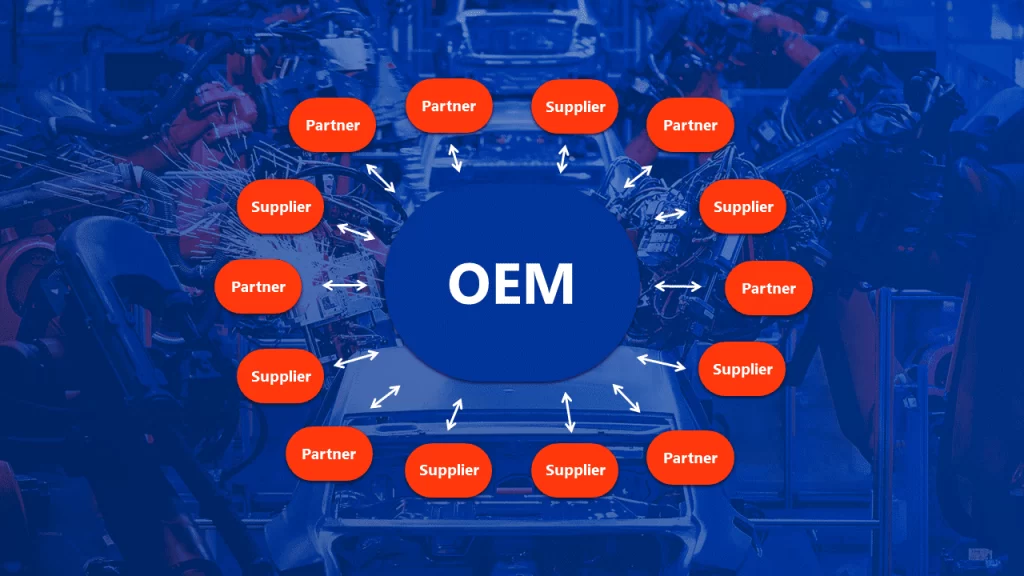
The field of mechanical engineering has always changed with new technologies and work methods. In 2025, however, the speed of change is quicker than ever. Companies no longer restrict product development to in-house teams or offices in their region. Instead, they are adopting distributed mechanical design teams, which consist of groups of engineers, designers, and specialists spread across different countries but who work together seamlessly. This transformation is made possible by Engineering-as-a-Service (EaaS), the growing impact of AI-driven CAD workflows, and the balance between overseas and local talent. Together, these factors are creating a new era where innovation happens faster, costs are lower, and collaboration is more flexible. For manufacturers, startups, and small to medium enterprises in the US, the question is no longer whether to look into outsourcing. The real question is which partner can help unlock the full potential of distributed design. That is where Engon Technologies comes in. As a mechanical engineering services company, Engon serves as a trusted extension of its clients’ product development teams. It combines the efficiency of offshore work with compliance to US standards and protection of intellectual property. In this blog, we will examine four key aspects of this change:- The rise of EaaS in mechanical engineering. The effect of AI on CAD workflows. The balance between offshore and local talent. How to effectively vet distributed engineering partners. By the end, you will understand why companies across the US are choosing Engon Technologies for reliable, efficient, and future-ready mechanical product development services. Trend: Rise of Engineering-as-a-Service (EaaS) What EaaS Means in Mechanical Engineering EaaS is a modern approach that allows businesses to access on-demand engineering resources rather than building large in-house teams. It functions like a subscription or partnership model, where clients “rent” expertise, infrastructure, and design capabilities as needed. For mechanical engineering, EaaS allows companies to avoid investing in costly CAD licenses, full-time teams, or large R&D facilities. Instead, they can connect with providers like Engon Technologies, who deliver similar value—sometimes even more—at a lower cost. Why Distributed Design Teams Are Becoming the “New Normal” for Product Development In today’s digital-first world, physical location is no longer a barrier. Cloud-based collaboration tools, real-time design platforms, and secure communication systems let engineers from different countries work together as if they were in the same room. This shift has made distributed design the standard approach. Companies are realizing they can keep their projects moving around the clock by leveraging teams across multiple time zones. While one group finalizes CAD models in India, another group in the US can start reviewing them. This cycle saves time and promotes a more diverse pool of ideas and solutions. How EaaS Lowers Cost-to-Market and Speeds Up Innovation for US Manufacturers Launching a new product is always a race against time. Delays increase expenses and hurt competitiveness. With EaaS, manufacturers reduce hiring processes, avoid long training cycles, and eliminate the costs of maintaining a full engineering department. As a result, the cost-to-market decreases, allowing products to transition from idea to prototype to production more swiftly. For US businesses, this means they can experiment more, launch products faster, and seize opportunities before their competitors. Tie-in to Engon: Engon’s Service Model as a Ready-to-Plug-In Engineering Arm for OEMs At Engon Technologies, we go beyond standard mechanical product development services. Engon do not simply provide a service; it functions as a seamlessly integrated engineering arm for our clients. Whether you are an OEM needing help with large-scale projects or a startup requiring rapid prototyping, Engon offers a flexible team that integrates directly with your process. With Engon, businesses can focus on innovation and strategy while knowing that design execution, CAD modeling, and prototyping are handled by experts. Impact of AI Tools on CAD Workflows Examples of AI-Powered CAD Automation in 2025 AI has shifted from being a buzzword to a practical everyday tool for engineers. In 2025, CAD platforms utilize AI for tasks like:- Generative design, where software suggests multiple optimized design options based on the goals outlined by engineers. Automated stress analysis, which quickly evaluates structural stability. Design validation, which compares models against compliance guidelines. These tools empower engineers to accomplish more in less time, rather than replacing them. How AI Reduces Rework and Accelerates Prototyping Cycles One of the biggest challenges in product design has always been rework. When errors are discovered late in the process, entire prototypes must be redone. AI helps mitigate this issue by catching problems early. Engineers can test numerous variations virtually, well before materials are ordered. This speeds up design-cycles and ensures that when physical models are made, they are much closer to being ready for the market. Companies can move from concept to production in weeks instead of months. Case Example: How AI + Engon’s Expertise = Faster Delivery & Fewer Design Errors At Engon Technologies, AI is an integral part of the design process. The company pairs AI-powered tools with human expertise to ensure accuracy and innovation. For instance, when collaborating with an SME developing an industrial component, Engon employed AI-driven generative design to propose lighter yet stronger variations. Engon’s engineers reviewed these options, chose the best, and confirmed compliance. This led to a more efficient product delivered ahead of schedule, saving the client both time and money. Streamline your workflow with a free process audit. Engon Technologies helps businesses identify opportunities to boost efficiency and drive innovation. Through our complimentary assessment, we reveal how workflows can be streamlined, costs minimized, and product development accelerated. This provides businesses with an easy, no-obligation opportunity to see the value for themselves. Get My Free Audit Offshore vs Local Talent Balance Cost and Skill Differences Between Offshore and US-Based Engineers Offshore teams, particularly in India, provide highly skilled engineers at competitive prices. They excel in CAD modeling, design execution, and iterative enhancements. Meanwhile, US-based engineers often prioritize client communication, compliance, and industry-specific knowledge. Both groups contribute value in different ways. Offshore talent offers efficiency and scale, while local talent ensures alignment with market needs