

Industrial projects today demand precision, speed, and innovation. Whether it’s developing complex machinery, optimizing production layouts, or designing next-generation enclosures, mechanical design consultants play a crucial role in transforming ideas into tangible engineering solutions. However, the journey from concept to completion isn’t without its roadblocks. Design consultants often navigate multiple challenges—from misaligned project goals and resource constraints to communication breakdowns and changing client requirements. These hurdles can directly impact cost, quality, and time-to-market.
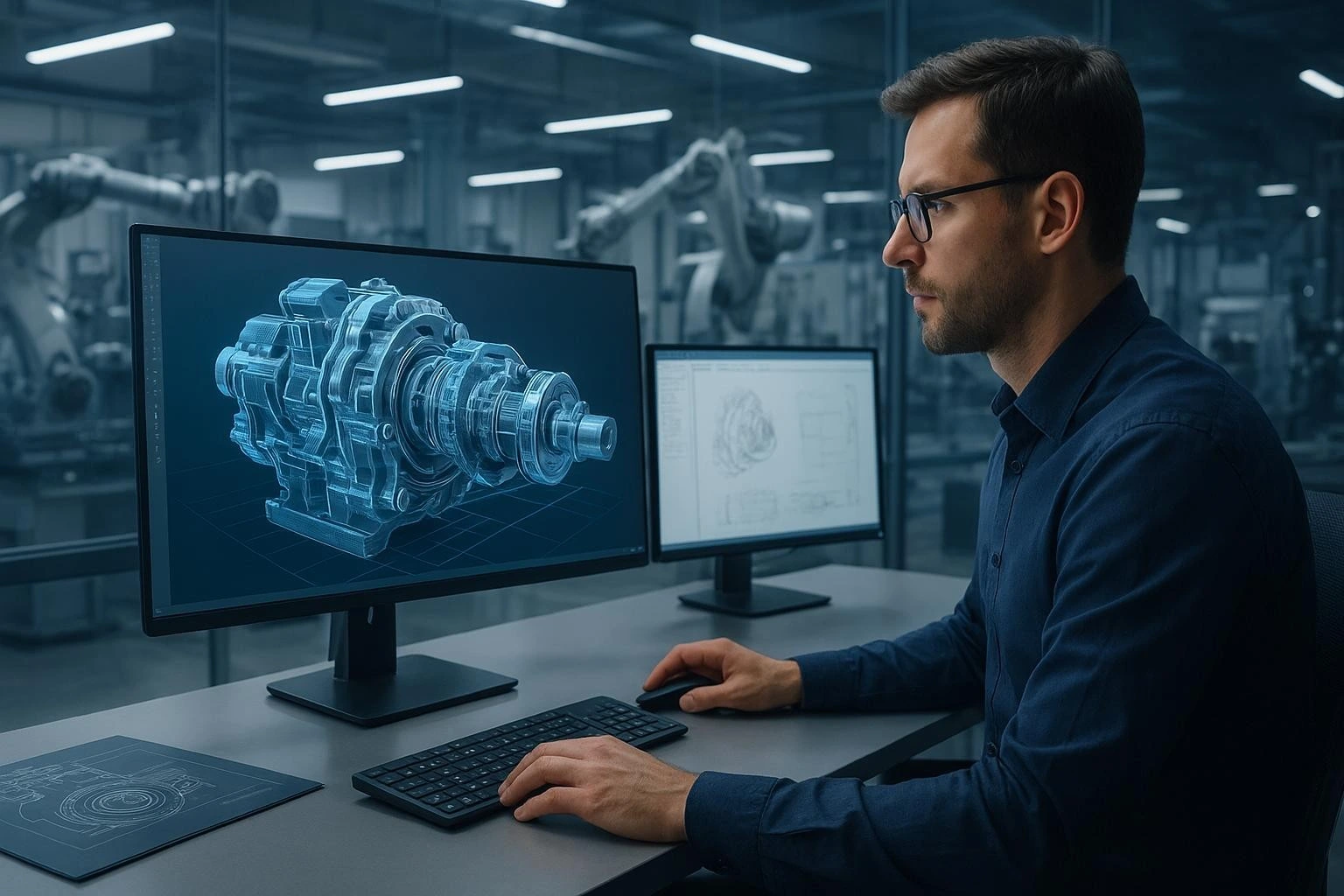
To stay competitive and deliver high-performing solutions, consultants need a mix of technical expertise, project foresight, and adaptive collaboration models. This article explores the most common challenges faced by mechanical design consultancy in industrial projects—and, more importantly, how to solve them effectively. Companies like Engon Technologies have set benchmarks in overcoming these challenges with robust design frameworks, advanced simulation tools, and a problem-solving mindset that consistently ensures project success.
Challenge: Unclear Project Requirements and Scope Creep
One of the biggest hurdles in industrial mechanical design projects is a vague or evolving project scope. Often, clients come with a basic idea of what they need but lack clarity on design parameters,
performance metrics, or manufacturing constraints. This ambiguity leads to frequent design revisions, scope creep, and delayed approvals—eventually derailing timelines and budgets.
How to Solve It:
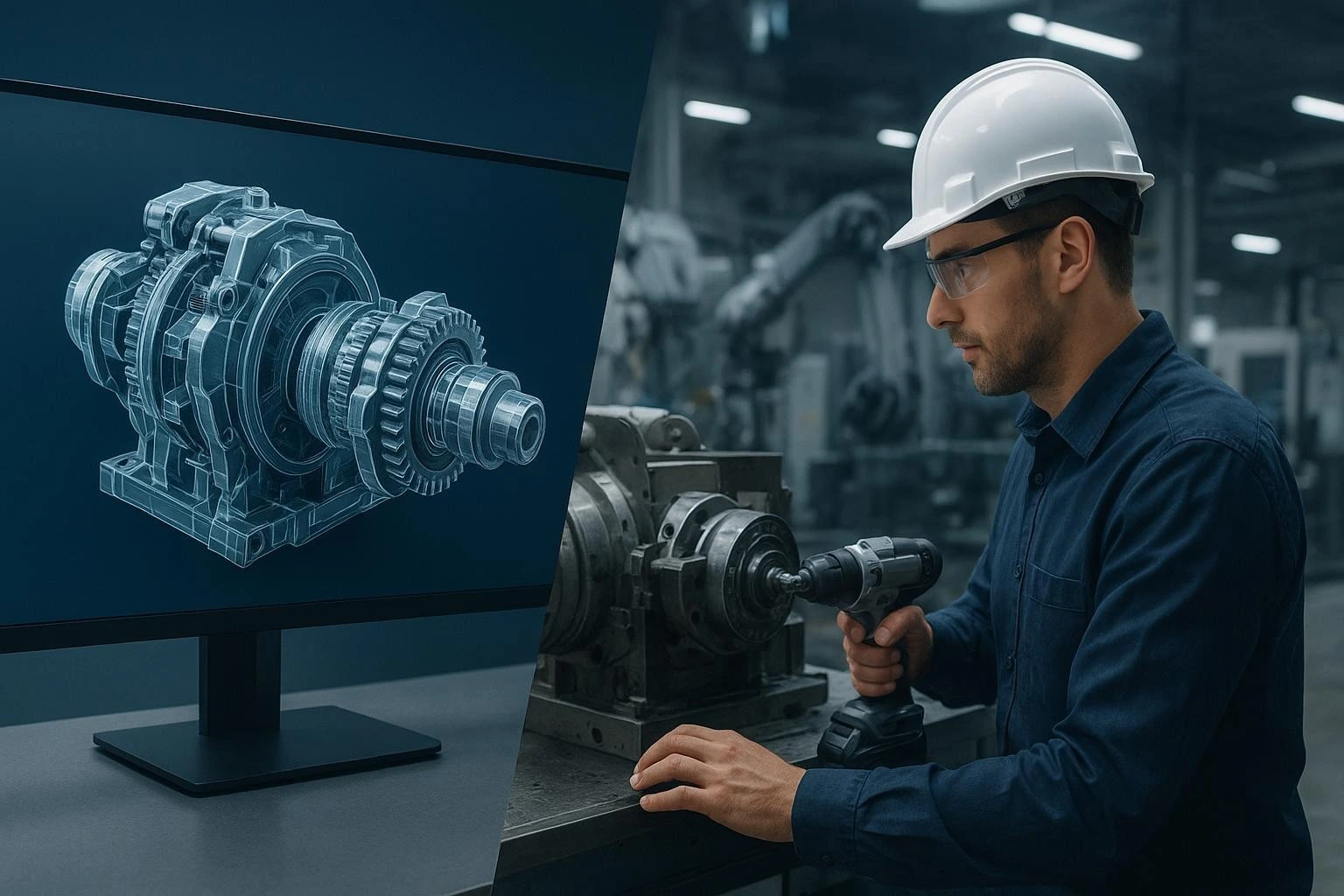
The key lies in establishing clear communication and documentation from the start. Before diving into CAD or simulation, consultants must conduct requirement workshops, gather detailed use-case data, and define technical boundaries. A structured Design Requirement Document (DRD) helps in aligning expectations and reducing back-and-forth during execution.
Companies like Engon Technologies implement a phase-gated design approach, where each phase (concept, design, validation, and handover) has defined deliverables and checkpoints. This ensures that every stakeholder—from the client to the production team—remains aligned, minimizing last- minute surprises and optimizing design turnaround time.
Challenge: Managing Cross-Functional Collaboration
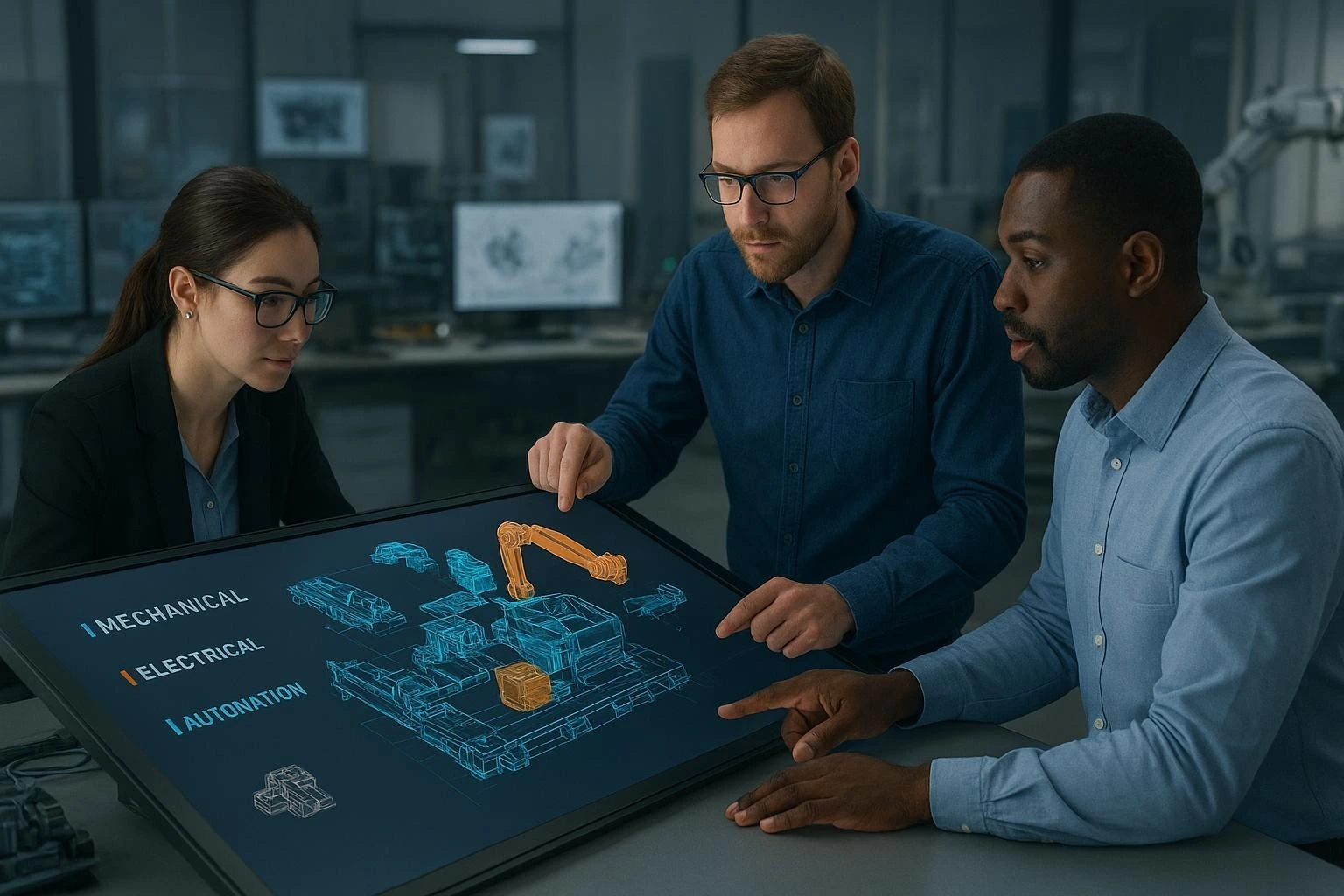
Industrial design projects are rarely solo efforts. Mechanical, electrical, automation, and production teams must work hand-in-hand. Yet, communication silos and incompatible software ecosystems often create bottlenecks. When electrical and mechanical teams design in isolation, issues like interference, assembly misfits, or conflicting tolerances surface during production, leading to costly rework.
How to Solve It:
Integrated collaboration is the answer. Using shared platforms like SolidWorks PDM, Creo Windchill, or Teamcenter ensures real-time access to design data, version control, and seamless handoffs between departments. Regular design reviews and concurrent engineering practices keep teams synchronized and agile.
Engon Technologies bridges interdisciplinary gaps through digital design ecosystems and cloud-based design management. Their teams collaborate across continents using synchronized platforms that allow designers, fabricators, and clients to review models simultaneously. This reduces communication lags and ensures that every subsystem—from a gear assembly to a robotic arm—is designed in harmony.
Effective collaboration transforms project complexity into a unified engineering effort, boosting efficiency and reliability across all mechanical design stages.
Challenge: Balancing Cost, Quality, and Turnaround Time
In industrial design, clients often expect high-quality designs within tight budgets and aggressive timelines. This balancing act between cost, quality, and speed is one of the most demanding aspects of consulting. Cutting corners on materials or simulation depth can compromise product reliability, while over-engineering increases costs and delays delivery.
How to Solve It:
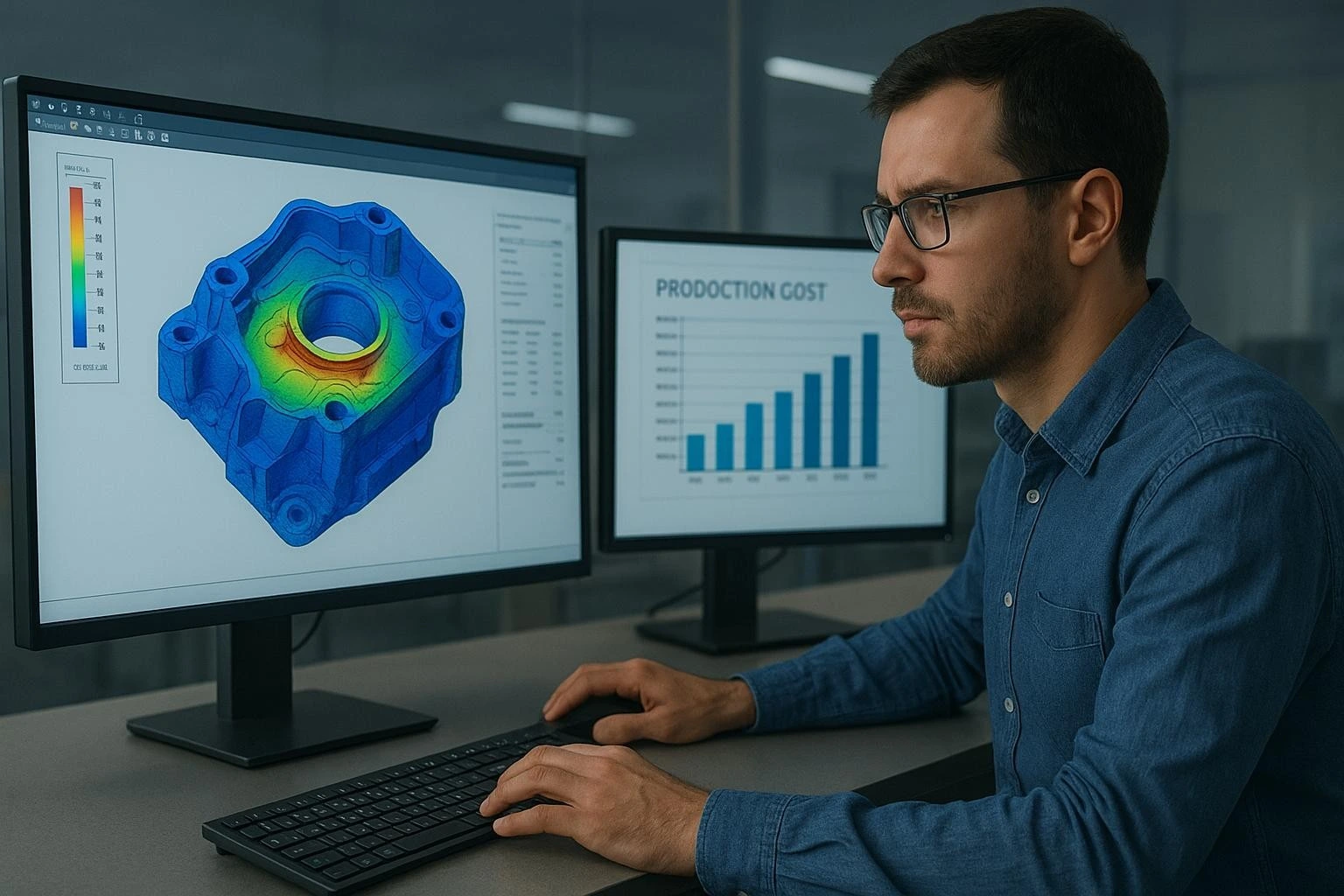
The key is to apply value engineering—designing for optimal performance at minimal cost. Advanced simulation tools like ANSYS or SolidWorks Simulation allow consultants to predict product behaviour, identify design flaws early, and minimize physical prototyping expenses. Time-efficient processes like parametric modeling and modular design speed up iteration cycles.
Engon Technologies employs a design optimization framework that emphasizes data-driven decisions and simulation-led engineering. Their team uses real-world testing feedback to refine virtual models, ensuring that clients receive robust, manufacturable designs within budget.
By aligning early-stage concept validation with production realities, consultants can deliver faster, cost-effective, and high-quality outcomes—strengthening client trust and long-term partnerships.
Challenge: Integrating New Technologies and Tools
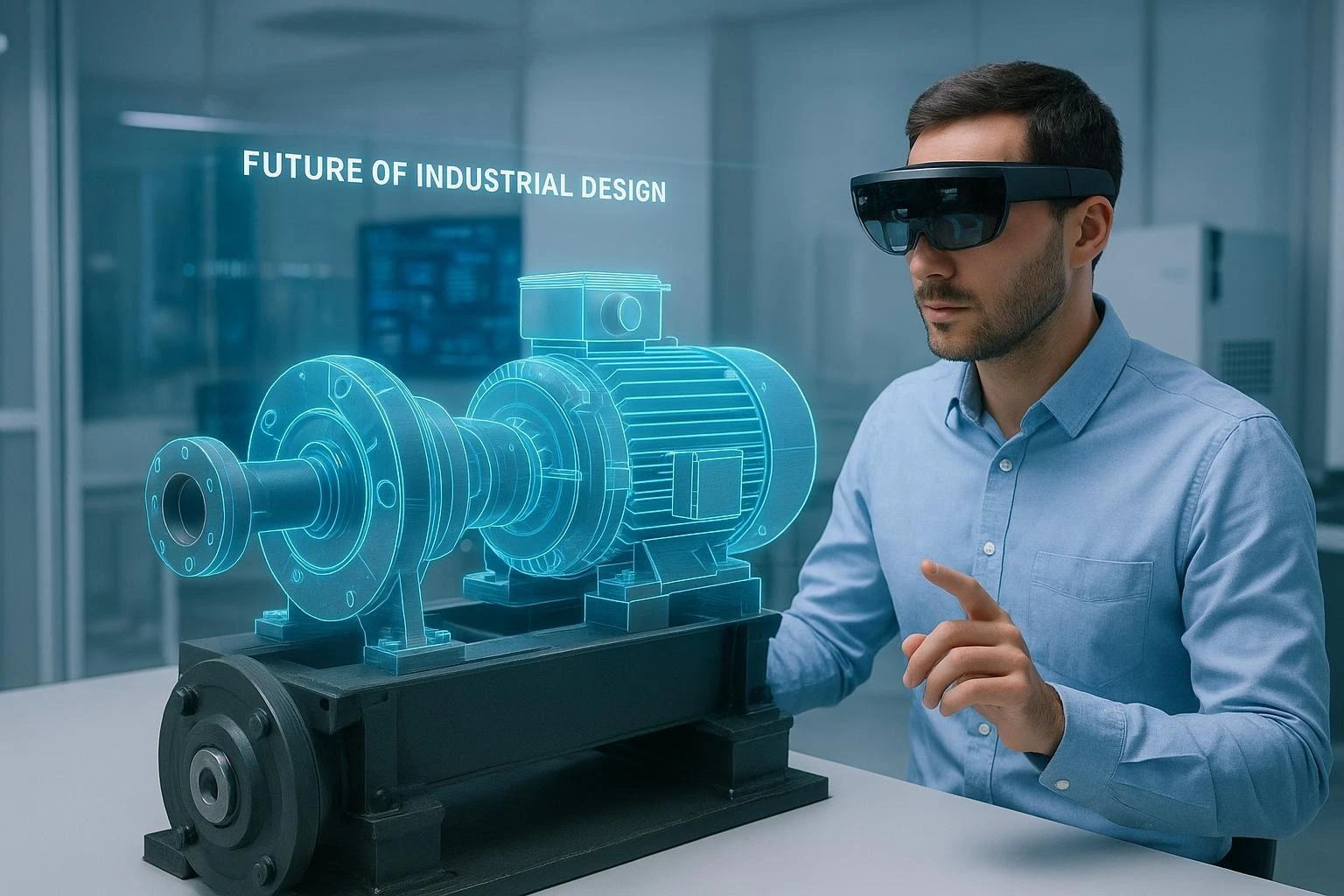
The mechanical design landscape is evolving rapidly. Emerging technologies like AI-assisted design, IoT integration, and digital twins are redefining how products are conceptualized and validated. However, not all consultants are equipped to integrate these advancements efficiently. Resistance to change, lack of training, or incompatible legacy systems often hinder innovation and slow progress.
How to Solve It:
Consultants must cultivate a culture of continuous learning. Regular tool upgrades, simulation automation, and exposure to global design trends help teams stay relevant. Adopting digital twin simulations, for instance, allows real-time performance prediction and remote monitoring, reducing post-deployment failures.
At Engon Technologies, innovation is not optional—it’s integral. The company leverages AI-based design validation and generative modeling tools to create optimized geometries that balance strength, weight, and manufacturability. Their engineers also integrate IoT-ready design features, preparing products for smart manufacturing ecosystems.
Incorporating emerging tools doesn’t just enhance design efficiency—it positions consultants as technology leaders capable of handling complex industrial demands with modern precision. Staying ahead of the curve ensures that mechanical design consultants deliver future-ready solutions to their industrial clients.
Challenge: Handling Design Revisions and Change Management
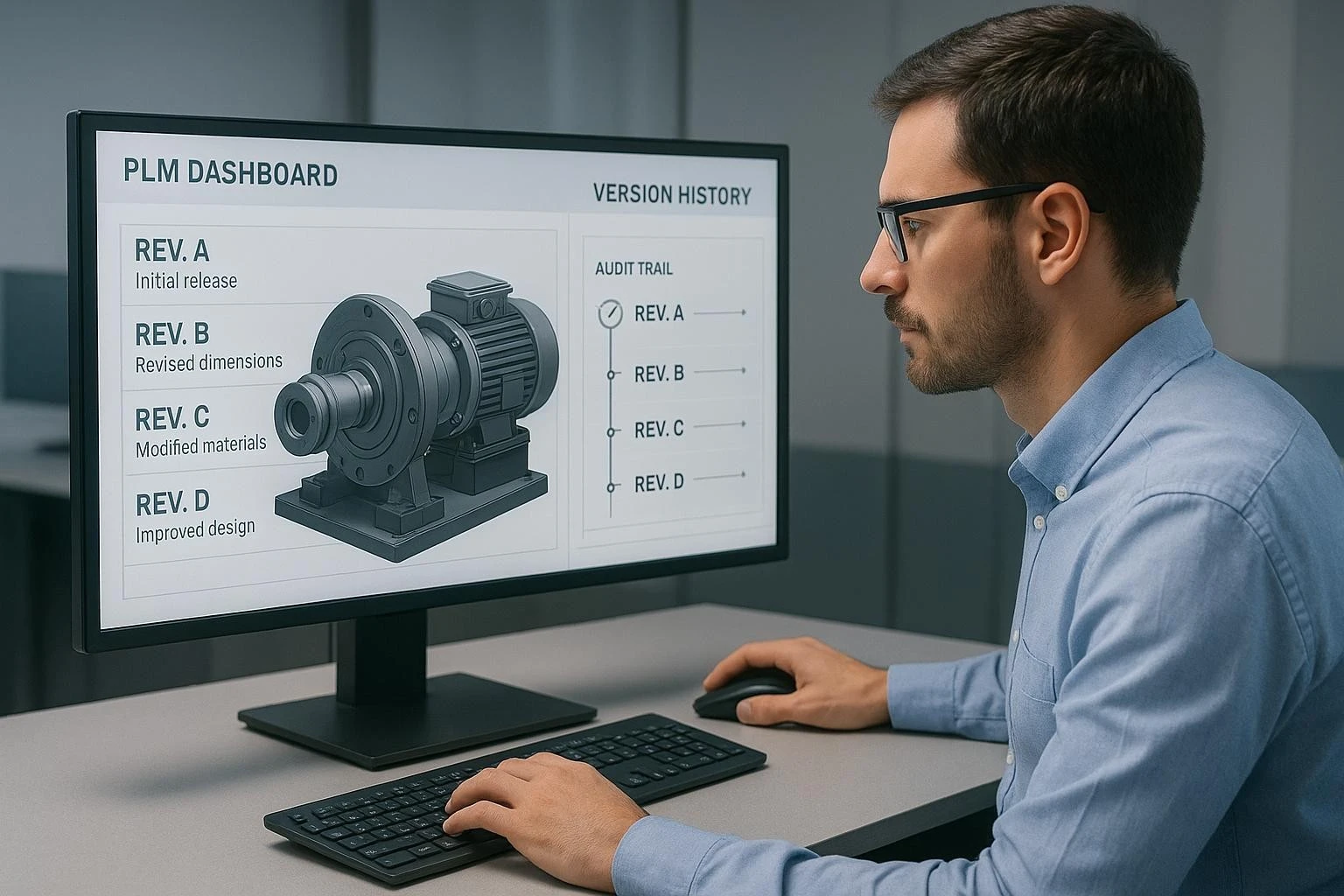
Industrial projects evolve over months, sometimes years. During this journey, design changes are inevitable—whether due to updated client needs, compliance revisions, or supplier constraints. Without an efficient change management process, revisions can lead to confusion, outdated drawings, and production errors.
How to Solve It:
The solution is a robust revision control system that tracks every modification and maintains version integrity. Design consultants should adopt standardized file-naming conventions, change request protocols, and audit trails. Tools like PLM systems or versioned CAD vaults simplify this process by automating notifications, approvals, and backups.
Engon Technologies integrates advanced PLM tools into its workflow, ensuring traceable and controlled design changes. Each update is validated through impact analysis—so if one component is altered, its effects on the entire assembly are automatically reviewed.
This structured approach not only reduces design errors but also builds client confidence through transparency. Clear documentation ensures that every stakeholder—from design engineers to production managers—works with the latest, approved version of the design.
Challenge: Ensuring Manufacturability and Assembly Feasibility
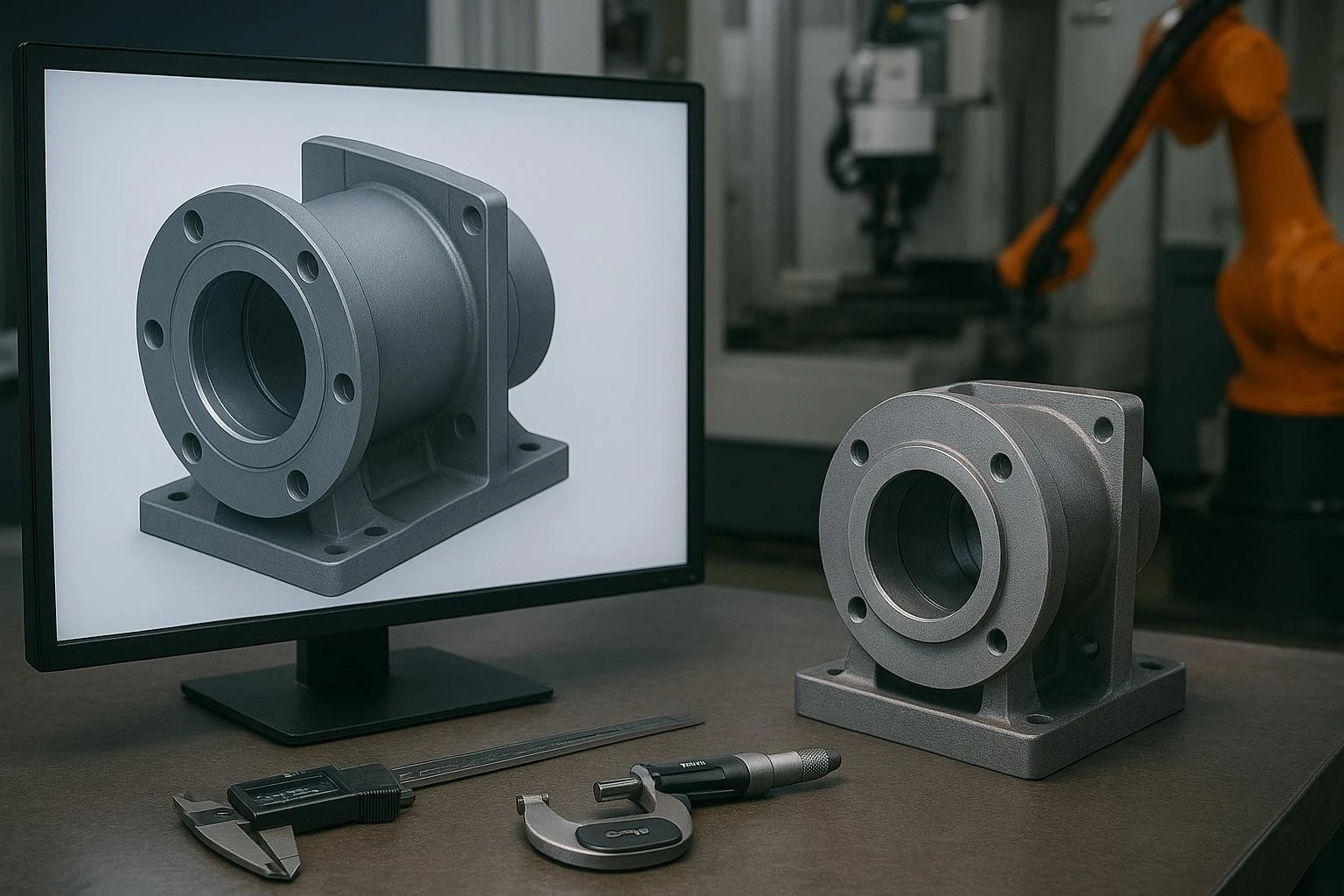
A design that looks perfect on screen may fail during production if manufacturability isn’t prioritized. Oversized tolerances, difficult-to-machine geometries, or unfeasible assemblies can escalate costs and lead to rework. Many consultants face this challenge when design intent isn’t aligned with manufacturing reality.
How to Solve It:
Design for Manufacturability (DFM) and Design for Assembly (DFA) principles must be applied from day one. This means understanding material behavior, fabrication methods, and supplier capabilities before finalizing a design. Simulation tools and digital prototyping can pre-validate assembly feasibility.
Engon Technologies stands out by collaborating directly with fabricators and OEM partners during early design stages. Their engineers review tooling, machining, and tolerance feasibility alongside the design process—preventing production bottlenecks.
This proactive approach ensures that designs are not just innovative, but also practical, manufacturable, and cost-effective. By combining advanced CAD simulation with hands-on manufacturing insight, Engon ensures smooth transition from design to shop floor, minimizing last- minute surprises.
Challenge: Meeting Compliance, Safety, and Sustainability Standards
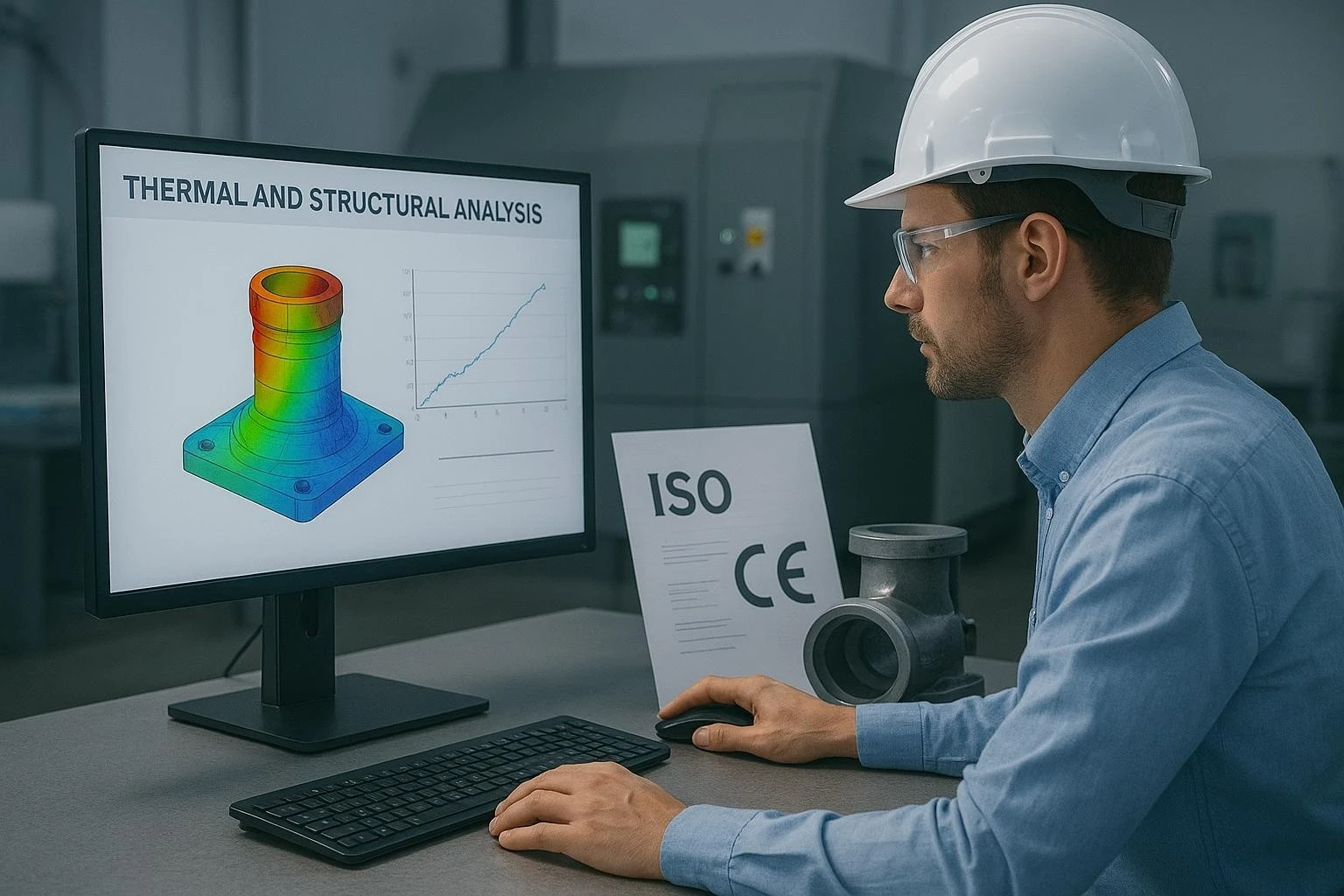
Every industrial project must adhere to strict compliance norms—ranging from ASME standards to ISO certifications and environmental directives. For mechanical design consultants, navigating these requirements can be daunting, especially when working with international clients who follow region- specific standards.
How to Solve It:
A structured compliance checklist and design validation process are essential. Early identification of applicable standards helps engineers integrate safety features, compliance in terms of design, eco- friendly materials, and ergonomic considerations without last-minute redesigns.
Engon Technologies has established compliance-driven design workflows aligned with global benchmarks. Their team performs safety factor analysis, thermal testing, and material traceability audits before design handover. Additionally, they integrate sustainability into mechanical design— optimizing material use, energy efficiency, and recyclability.
This not only ensures adherence to compliance norms but also promotes environmental responsibility. In today’s industrial ecosystem, sustainability is more than a checkbox—it’s a competitive differentiator that reflects engineering excellence and brand ethics.
Deep Understanding of Compliance Through Global and Medical Device Experience
Compliance in mechanical design isn’t merely about checking standards — it’s about integrating safety, precision, and traceability into every design decision. Engon Technologies’ experience working with global clients and regulated industries like medical devices has built a deep understanding of how compliance shapes the entire engineering lifecycle. Medical device design, in particular, demands adherence to strict frameworks such as ISO 13485, FDA 21 CFR Part 820, and risk management as per ISO 14971. These standards go beyond mechanical precision — they mandate complete documentation, design validation, biocompatibility assessments, and change traceability.
Our engineering teams have developed robust processes to meet these stringent requirements, ensuring every design file, simulation result, and test report aligns with audit-ready documentation. This experience has made Engon Technologies proficient in cross-border compliance, seamlessly adapting to regional standards like CE marking (Europe), UL certification (North America), and RoHS/REACH directives for sustainable manufacturing.
By embedding compliance as an integral part of the design workflow — rather than a final-stage checklist — Engon ensures that industrial designs are both globally certifiable and production- ready. This disciplined approach reduces approval delays, prevents costly redesigns, and builds long- term credibility for clients operating in regulated industries. Whether designing high-precision enclosures for medical equipment or industrial systems for export markets, Engon’s compliance- driven methodology reflects its global engineering maturity and commitment to safety, reliability, and regulatory excellence.
Challenge: Data Security and Intellectual Property Protection
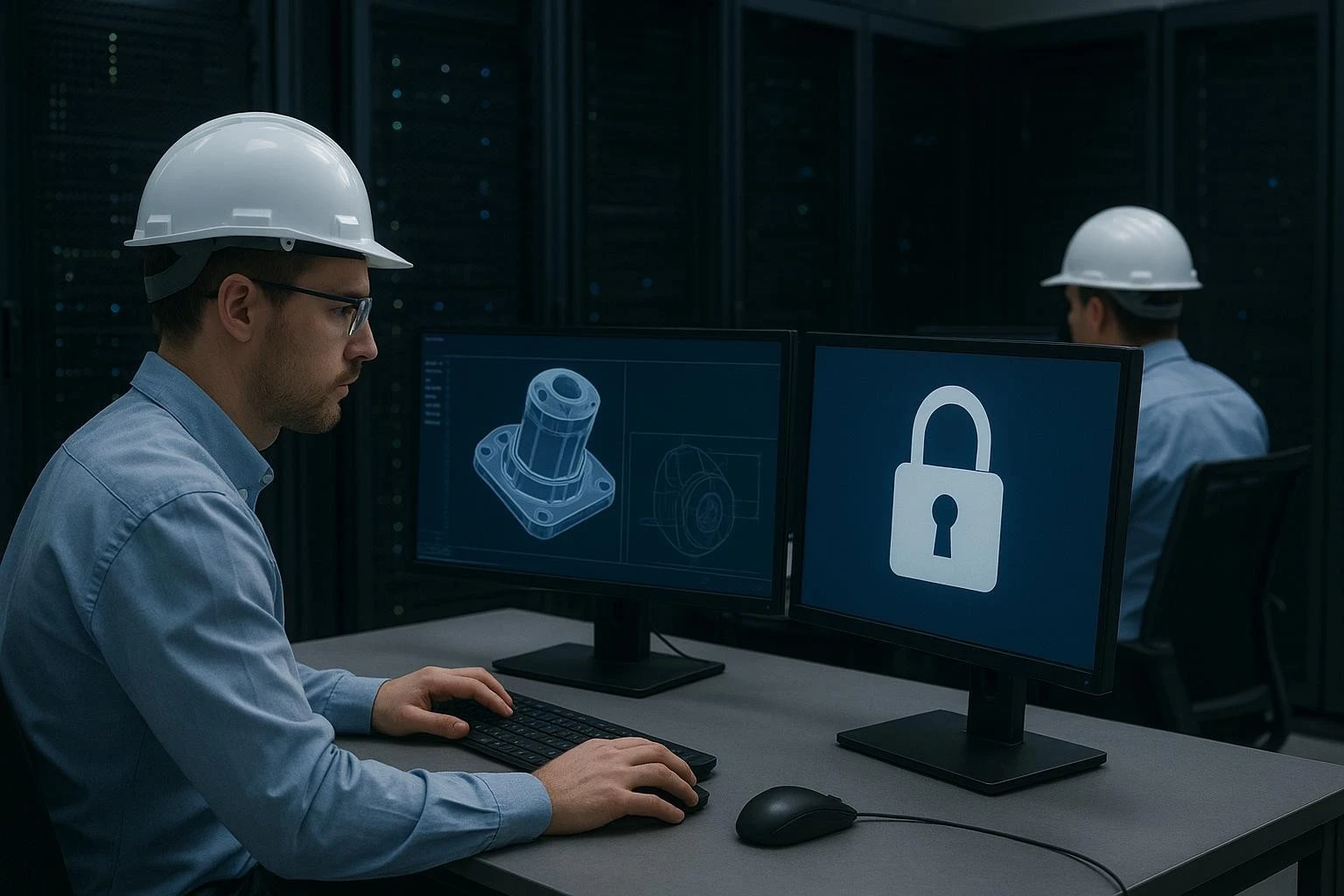
In today’s globally connected engineering ecosystem, design files, CAD models, and simulation data are frequently shared across borders and vendors. This interconnected workflow, while efficient, also exposes mechanical design consultants to serious risks — data breaches, IP theft, or unauthorized design replication. For industrial clients, protecting proprietary information and innovation is a top priority, making data security one of the most pressing challenges in mechanical design consulting.
How to Solve It:
Consultants must implement multi-layered data protection strategies. This includes secure file- sharing platforms, encrypted data storage, and strict access control for sensitive projects. Version tracking and role-based permissions prevent unauthorized edits or downloads.
Engon Technologies takes intellectual property protection seriously. The company follows ISO- certified data management protocols and employs encrypted communication systems to ensure client confidentiality at every stage — from concept design to final delivery. Internal NDAs and client- specific access policies add another layer of assurance.
Additionally, Engon integrates cloud-based PLM (Product Lifecycle Management) systems that automatically log all design transactions, ensuring traceability and accountability. This not only safeguards client IP but also builds trust, especially for industries working with patented technologies or confidential product innovations. By prioritizing data security as much as design quality, consultants can deliver peace of mind along with technical excellence—making them indispensable partners in today’s industrial value chain.
Conclusion
Mechanical design consultancy play a vital role in driving industrial Design innovation, but their journey is filled with technical, operational, and collaborative challenges. From managing evolving project scopes to ensuring manufacturability and compliance, success depends on adaptability, foresight, and the right tools.

Engon Technologies exemplifies how modern mechanical consultancy should operate—combining domain expertise with digital intelligence, simulation-led design, and global collaboration. Their structured workflows, commitment to quality, and client-centric approach make them a trusted partner for industries seeking reliable mechanical engineering services.
As the industrial landscape evolves, overcoming these challenges isn’t just about efficiency—it’s about building smarter, sustainable, and future-ready mechanical solutions that shape the next generation of industrial growth.
Looking for Reliable Mechanical Design Experts?
Partner with Engon Technologies, your trusted industrial design consultancy offering CAD, FEA, and simulation-led engineering for US industries.