

September 2025

manufacturing digital transformation trends

The Future of Smart Manufacturing: Why Every Business Needs to Embrace Digital Transformation

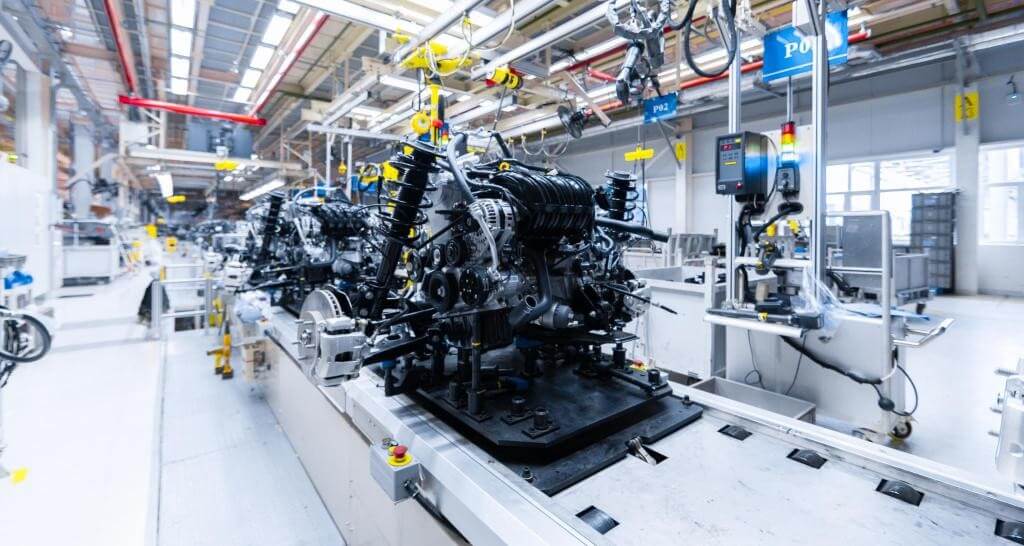
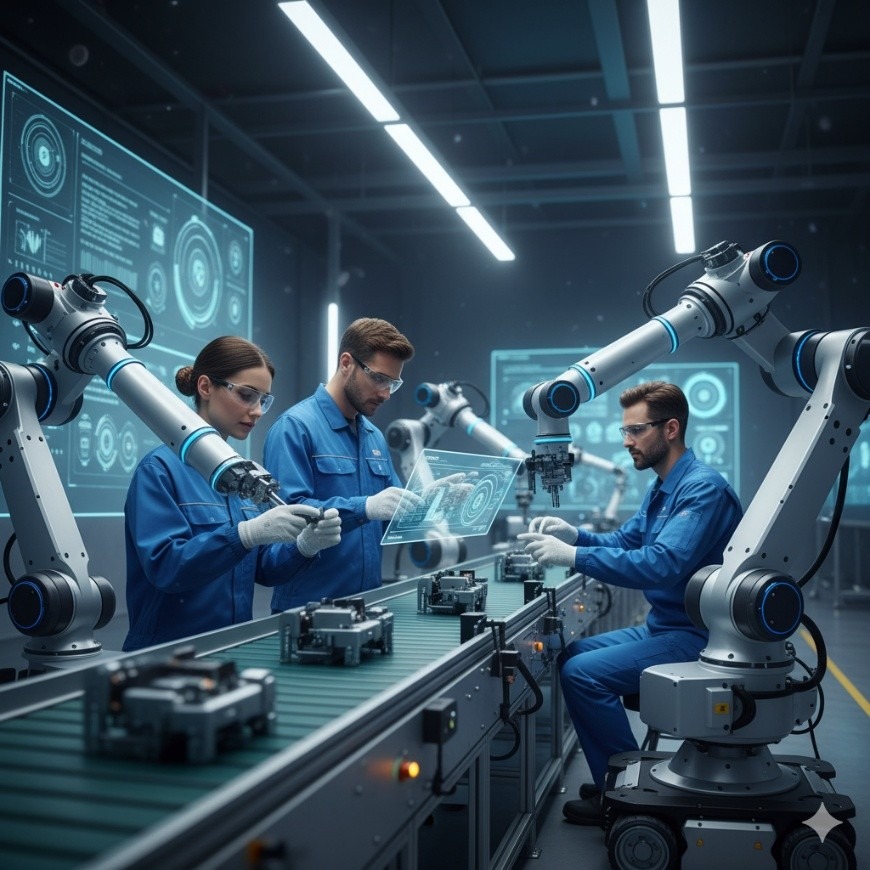
The manufacturing industry has always been at the centre of innovation, driving progress through mechanization, assembly lines, and computerization. Today, we stand at the dawn of Industry 4.0, a new industrial revolution that blends physical production with digital technologies to create factories that think, adapt, and evolve. For global businesses, the message is undeniable: the future of smart manufacturing is not on the horizon; it is already reshaping operations across every sector. Smart manufacturing represents the fusion of IoT, automation, robotics, artificial intelligence, and data analytics into cohesive systems that enhance efficiency and unlock opportunities previously unimaginable. Machines no longer operate in isolation but instead communicate with one another, with operators, and with central platforms in real time. The result is not just faster production but also more agile and resilient supply chains. The importance of this shift cannot be overstated. As markets become increasingly competitive and customer expectations continue to rise, manufacturers must embrace digital transformation in manufacturing or risk losing relevance. From predictive maintenance to adaptive production lines, the benefits extend beyond cost savings to include improved sustainability, greater customization, and long-term competitive resilience. Businesses that adapt will thrive in this connected era; those that resist risk falling into obsolescence. What Smart Manufacturing Really Means Smart manufacturing is not simply about installing a few robots on the production floor. At its heart, it is about transforming traditional, legacy factories into connected, data-driven ecosystems where decision-making is driven by intelligence rather than intuition. Consider the role of sensors that track machine health in real time, alerting engineers when maintenance is needed long before breakdowns occur. Think of cloud-based platforms that store and analyze vast amounts of production data, enabling managers to optimize processes with remarkable precision. Visualize digital twins, virtual replicas of physical assets, which allow companies to simulate, predict, and refine operations before implementation. These advancements minimize errors, reduce downtime, and streamline production. Meanwhile, predictive maintenance powered by machine learning ensures that costly disruptions are avoided. Instead of waiting for machinery to fail, companies can anticipate problems, saving time and resources. This holistic integration of smart factory technology is what makes manufacturing automation trends so transformative. It is not just about replacing people with machines; it is about creating harmony between human expertise and technological intelligence to drive superior outcomes. For Engon Technologies, the definition of smart manufacturing also includes accessibility. Many businesses assume such innovations are reserved for large corporations with deep pockets. In reality, smart factory solutions, when supported by outsourced engineering expertise, are within reach for companies of all sizes. Engon’s mission is to make digital transformation practical, affordable, and scalable for small to medium enterprises as well as large OEMs. The Challenges Businesses Face in Going Digital Despite the compelling benefits, the path toward digital transformation in manufacturing is not without its hurdles. One of the most pressing concerns is the high upfront infrastructure cost. Building a smart factory from scratch requires significant investments in hardware, software, connectivity, and integration. For many traditional manufacturers, these costs can be prohibitive. Another critical challenge is the shortage of skilled workforce. While the demand for digital skills in manufacturing continues to grow, many industries are still staffed with workers trained primarily in conventional systems. Retraining and reskilling employees requires time, resources, and cultural adaptation, which can slow down transformation initiatives. Resistance to change also remains a major obstacle. Traditional industries often rely on processes that have been in place for decades. Convincing stakeholders to replace legacy systems with digital ones is not just a financial challenge but also a cultural one. Many leaders still see digital adoption as disruptive rather than enabling. These digital transformation challenges and manufacturing modernization issues can seem overwhelming. However, businesses do not need to go it alone. This is where strategic partnerships with specialized technology providers like Engon Technologies become invaluable. By offering engineering expertise on demand, Engon reduces the burden on in-house teams, accelerates adoption, and helps manufacturers overcome the very barriers that hold them back. Outsourcing as a Catalyst for Digital Adoption Outsourcing has long been associated with reducing costs, but in the context of smart manufacturing, it has evolved into something far more strategic. Partnering with an outsourced engineering partner like Engon Technologies enables businesses to leapfrog challenges and fast-track digital transformation without the weight of heavy capital expenditure. Instead of investing heavily in new infrastructure and recruiting specialized staff, manufacturers can tap into on-demand engineering solutions. Engon provides access to expertise in drafting, prototyping, technical illustration, and documentation that are essential for implementing and managing smart factory technologies. This accelerates adoption and ensures manufacturers benefit from modern solutions while keeping overhead manageable. The flexibility of engineering outsourcing for manufacturing also means that companies can scale their digital transformation efforts according to their unique pace and budget. Smaller businesses that once considered smart manufacturing unattainable can now experiment with automation, digital documentation, and compliance support without risking financial overextension. Outsourcing also brings a fresh perspective. Engon’s team of engineers and designers brings cross-industry knowledge and cutting-edge practices that help manufacturers reimagine their operations, discover inefficiencies, and unlock value they might not have identified internally. Case Example: Modernizing Without Heavy Infrastructure Consider the case of a mid-sized manufacturer eager to adopt smart machinery but lacking the internal resources to modernize its processes. The company’s biggest challenge was creating the digital documentation and illustrations required to operate, maintain, and comply with its new automated systems. Building an in-house team to manage this transition would have been expensive and time-consuming. This is where Engon Technologies stepped in. Acting as the company’s outsourced engineering partner, Engon delivered high-quality digital documentation, technical illustrations, and user-friendly schematics tailored for the smart machines being installed. This support significantly reduced confusion during implementation, improved communication across departments, and ensured the company met compliance requirements without delays. The outcome was profound. With Engon’s support, the manufacturer adopted automation faster, minimized downtime, and avoided the heavy investment of building internal infrastructure. This engineering outsourcing case study serves as


The Future of Smart Manufacturing: Why Every Business Needs to Embrace Digital Transformation Read More »

Engineering Innovation in Automatic Air Freshener and Fragrance Diffuser Design

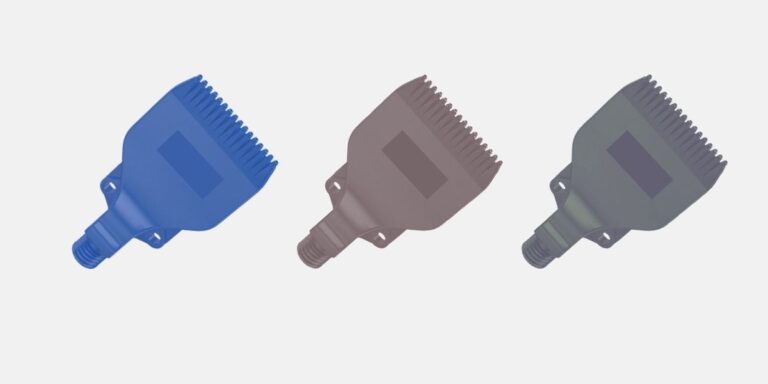
Introduction When a manufacturer approached Engon Technologies with a brief to enhance an automatic air freshener design, the challenge was clear—create a compact rechargeable aroma diffuser solution that could meet growing home fragrance and consumer-focused solution expectations. Engon began with fragrance diffuser market research insights, competitor analysis, and customer inputs, identifying gaps in diffuser performance, usability, and spray diffusion efficiency. Focus areas included nozzle performance, spray diffusion, ergonomic housing, and long-term reliability. By working with the manufacturer during tooling validation in injection moulding for fragrance diffuser manufacturing and part proving, Engon delivered an innovative diffuser design that merged technology with lifestyle, setting a new benchmark in aroma diffuser engineering. Role as an Engineering Partner in Fragrance Diffuser Manufacturing Innovation in the project market often comes from engineering refinements rather than reinvention. Engon Technologies acts as a design and mechanical engineering partner, specializing in customer brief translation, fragrance diffuser market research insights, and usability improvements. Customers shared inputs at the initial stage, and Engon converted them into engineering targets supported by market studies. This ensured a balance between consumer demand, technical feasibility, and lifecycle management in fragrance diffuser manufacturing. Compact Rechargeable Aroma Diffuser Innovations for Smart Home Solutions Engon prioritized compact diffuser design and ergonomic usability. By optimizing housing geometry, product volume was reduced by 15% without compromising structural strength. Through acoustic optimization and noise reduction engineering, the product was enhanced further, establishing it as a refined example of ergonomic fragrance diffuser design. Nozzle Efficiency and Spray Diffusion Breakthroughs in Fragrance Diffuser Performance A key innovation lay in dispensing performance. Prototype testing demonstrated a 30% improvement in fragrance coverage with shorter spray bursts, leading to better perfume-air mixing and reduced liquid consumption. This resulted in consistent aroma diffusion, energy-efficient fragrance performance, and superior user comfort, helping the diffuser stand out in home fragrance solutions Safety, Reliability, and Future-Ready Features for IoT-Enabled Fragrance Diffusers Safety and reliability were enhanced with automatic shut-off features, reducing standby energy consumption by 12%, and long-lasting rechargeable modules that passed 500+ duty cycle tests. Engon also explored IoT-enabled automatic air freshener trends, AI-personalized aroma settings, and sustainable design, ensuring alignment with smart home fragrance solutions and sustainability goals. Benchmarking and Market Research for Fragrance Diffuser Competitor Analysis The project began with benchmarking existing fragrance diffuser designs and studying the project trends, identifying strengths, gaps, and opportunities for differentiation. The team carefully analyzed dispensing systems, fragrance intensity controls, and ergonomics to understand how competing products balanced performance, cost, and user convenience. These insights created a strong foundation for innovation, ensuring that the solutions proposed were grounded in real-world consumer expectations and positioned competitively in the home fragrance industry. Our expertise in Product Benchmarking And Design Services helps turn research insights into actionable engineering outcomes. Cross-Functional Collaboration in Fragrance Diffuser Design and Manufacturing Engon’s approach to innovation relies heavily on cross-functional collaboration. The project required constant coordination between manufacturers, design engineers, and suppliers to align mechanical design with customer requirements. Stakeholder engagement played a critical role, where Engon worked to translate initial customer briefs into clear engineering deliverables. This product development collaboration structure ensured that all perspectives—market needs, manufacturing feasibility, and design reliability—were integrated seamlessly into the development cycle, reinforcing Engon’s role as a trusted Engineering Solutions Partner. End-to-End Mechanical Design for Durable and Ergonomic Fragrance Diffuser Solutions Engon led the end-to-end mechanical design of the device, ensuring durability, compactness, and seamless integration of smart features. The engineering process emphasized structural robustness, precise part fitting, and adaptability for electronics, making it an advanced consumer-focused solution. By combining ergonomic housing with sleek aesthetics, Engon achieved a balance between functionality and user experience. This approach not only enhanced reliability and scalability but also positioned the diffuser as a benchmark in ergonomic design. The result is a compact, future-ready smart fragrance diffuser solutions that reflects excellence in the project. Reverse Engineering and Rapid Prototyping Innovation in the project often comes from refining proven ideas. Engon applied reverse engineering techniques to existing models, identifying opportunities to improve dispensing performance, spray uniformity, and part alignment. Through rapid prototyping for diffuser innovation and advanced 3D validation, the team accelerated testing cycles and enhanced manufacturability. This iterative, data-driven process ensured better performance, durability, and consistency, while reducing risks at the production stage. By integrating engineering work with market insights, Engon created a pathway for energy-efficient fragrance diffusers, adaptable consumer-focused solution, and future-ready solutions aligned with IoT-enabled automatic air freshener trends. Tooling Support and Injection Moulding Validation for fragrance diffuser manufacturing For fragrance diffuser models, Engon provided comprehensive support throughout the injection moulding validation process for fragrance diffuser manufacturing. As part of design, Engon works with manufacturers in proving the part in the tooling stage, ensuring durability, ease of tooling, manufacturability, and ease of installation.  By verifying tolerances, analysing mould-flow behaviour, and validating part fit, the team reduced tooling rework by 18% and accelerated time-to-market readiness. This hands-on involvement exemplified tooling validation in injection moulding for fragrance devices, ensuring efficient production and high-quality results. Lifecycle Management and Upgrades in Fragrance Diffuser Electronics Beyond launch, Engon supported lifecycle management in consumer electronics design, integrating new components and improving diffuser reliability to ensure long-term market relevance. Continuous improvement and upgrades kept the product aligned with evolving technologies and smart fragrance diffuser trends, making it a sustainable and competitive solution in the IoT-enabled air freshener market. Conclusion The device journey highlights how benchmarking, tooling validation in injection moulding for fragrance devices, and lifecycle management in consumer electronics design deliver long-term market success. By applying Mechanical Engineering And Product Innovation, fragrance diffusion optimization, Engon remains a trusted partner and helped to create compact solutions that are reliable, ergonomic, and future-ready. This case study in the project showcases how continuous improvement, sustainable design, and how to design ergonomic aroma diffusers ensure lasting relevance in the global smart home fragrance solutions industry. Request a Free Consultation

Engineering Innovation in Automatic Air Freshener and Fragrance Diffuser Design Read More »

engon technologies

Global Supply Chain Challenges Outsourcing

Introduction: Why Supply Chain Resilience Matters Today In recent years, global supply chains have faced disruptions on an unprecedented scale. The pandemic highlighted weaknesses in procurement and logistics. Geopolitical tensions and trade restrictions have continued to change sourcing strategies. Additionally, raw material shortages, rising freight costs, and complex compliance issues create a tough environment for businesses around the world. Supply chain disruptions are now common occurrences rather than isolated incidents. These interruptions lead to delayed shipments, longer lead times, increased operational costs, and sometimes complete production stoppages. For manufacturers and businesses focused on engineering, these challenges directly affect customer satisfaction, brand reputation, and overall profitability. To stay competitive, organizations must focus on business resilience in their supply chains. Resilience involves being agile enough to respond swiftly, maintain operations, and deliver consistently despite outside uncertainties. Engineering outsourcing has emerged as a practical solution, allowing businesses to grow flexibly, access specialized expertise, and depend less on limited local resources. The supply chain challenges 2025 and beyond demand new strategies that combine cost savings with operational flexibility. By using on-demand and offshore engineering support, companies can stick to project timelines, reduce costs, and improve responsiveness in a rapidly changing global market. The Key Challenges in Today’s Supply Chains Offshore and on-demand engineering services offer cost savings, 24/7 work cycles, and unmatched flexibility. Offshore teams provide skilled talent at lower costs, while on-demand models let businesses scale without permanent hires. Together, they enable faster delivery, reduced overheads, and agility—helping companies stay competitive and resilient in today’s global supply chain issues challenges. Modern supply chains are complex, interconnected, and very vulnerable to disruption. Here are the main challenges businesses are facing today: – Rising Labor Costs In many traditional manufacturing areas, wages have risen significantly over the last decade. While automation can help, skilled workers are still essential for tasks like design, engineering, and quality control. Higher labour costs directly affect profit margins and make it tough to maintain competitive pricing. Shortage of Skilled Technical Talent Modern manufacturing processes require specialized knowledge in areas like digital design, technical documentation, and compliance engineering. However, finding qualified professionals locally can be time-consuming and expensive. Long hiring cycles only increase delays. Overdependence on Single Geographies For years, companies have relied heavily on sourcing from one country, especially in East Asia. This approach provided cost benefits but also created a single point of failure. Recent geopolitical events, trade wars, and export restrictions have shown the risks of this reliance. Compliance and Regulatory Bottlenecks Global businesses must follow various regulatory standards. Incomplete or incorrect documentation increases compliance risks. Non-compliance can result in fines, shipment delays, or even product recalls, adding more pressure to operations. These global manufacturing supply chain challenges disrupt timelines, raise costs, and lower overall efficiency. Companies need strategies that address capacity, cost, and capability gaps without adding new complications. How Engineering Outsourcing Provides Relief Outsourcing engineering tasks has become an effective way engineering outsourcing benefits to tackle these challenges. Unlike traditional methods that involve hiring in-house teams and making significant infrastructure investments, engineering outsourcing provides flexible, cost-effective access to skilled talent worldwide. Here’s how outsourcing helps address supply chain challenges: – Flexible Access to Talent: Businesses can access a global pool of experienced engineers without lengthy hiring processes, ensuring projects move forward without resource issues. Cost-Effective Scaling: Offshore outsourcing significantly lowers labour costs while ensuring quality. Instead of hiring permanent staff for changing workloads, businesses can adjust engineering support as needed. On-Demand Engineering Services: External teams can manage tasks like drafting, technical illustration, and as-built documentation, guaranteeing timely deliverables even when internal teams are busy. Reduced Project Delays: Global collaboration allows for quicker turnaround. When one region wraps up its workday, another can continue the task, ensuring steady progress. In summary, outsourced engineering partner offers more than just cost savings. It provides a buffer against uncertainties, speeds up timelines, and supports long-term resilience. Case Example: Faster Scaling with Outsourced Engineering To highlight the real-world impact of outsourcing in managing supply chain disruptions, consider this example of engineering outsourcing case study: – The Challenge: A mid-sized manufacturing company faced significant design delays due to supply chain issues. Critical parts were delayed, and sourcing alternatives required fast design changes. The in-house engineering team was spread too thin to handle urgent updates. The Solution: The company teamed up with Engon Technologies for on-demand engineering support. Engon sent a team of specialists to provide: Quick drafting updates for new material specifications. Accurate as-built documentation for compliance. Detailed technical illustrations to assist production teams The Outcome: Engon’s team quickly delivered all necessary design updates, allowing the company to stick to its production schedule. This partnership avoided costly delays, preserved customer trust, and enabled ongoing operations despite supply chain challenges. This example illustrates how outsourced engineering solutions to a dependable partner like Engon can mean the difference between halted projects and timely delivery during a crisis. The Competitive Advantage of Offshore and On-Demand Resources In an unpredictable global market, supply chain disruptions have become common. Businesses that want to stay ahead need more than quick fixes; they need strategies that offer resilience, flexibility, and efficiency. This is where offshore engineering services and on-demand engineering support make a significant impact. Offshore Engineering Services: Lower Costs, Faster Delivery Offshore engineering centres provide businesses a cost-effective way to access skilled technical talent without the limitations of local labour shortages or high salary structures. By partnering with offshore engineering companies, businesses can: – Reduce labour costs while maintaining quality. Access a global talent pool, ensuring expertise in specialized areas without lengthy hiring processes. Use time zone differences for 24/7 productivity, allowing projects to progress continuously, even when local teams are offline. This continuous work cycle shortens project timelines and helps businesses meet tight delivery schedules, which is crucial in today’s competitive market. On-Demand Engineering Support: Unmatched Flexibility The second key advantage is the on-demand engineering model, which allows businesses to adjust resources as needed without making permanent hires. This flexibility provides: The ability to scale teams

Global Supply Chain Challenges Outsourcing Read More »

How Engon Cut Automotive Plastic Part Costs with Value Engineering & Blow Molding

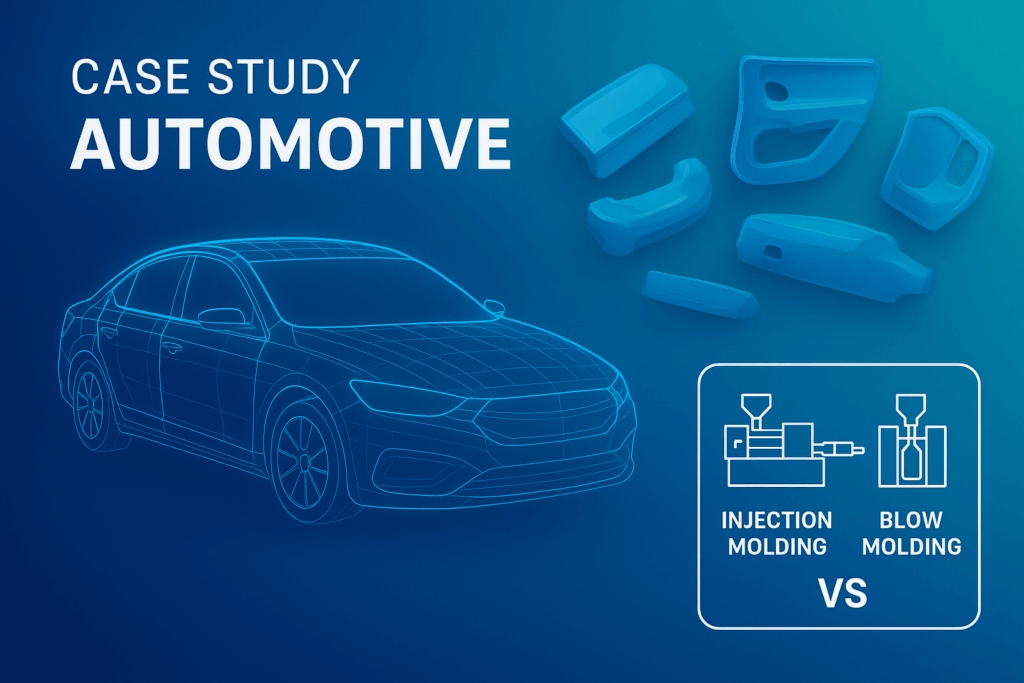
The Challenge In this case study, we are summarizing how the Engon team worked with an automotive ancillary supplier whose products were being edged out of the market due to low-cost imported alternatives from competitors. Rising production costs and reduced competitiveness threatened their ability to retain customers. To help the client regain lost market share, Engon invoked its value engineering expertise in plastics to design a better-performing, cost-optimized product while addressing the customer’s key challenges. The client’s original reliance on injection molding for large plastic components drove up tooling costs and cycle times. At the same time, they needed to ensure compliance with ISO/TS automotive standards and maintain durability without sacrificing cost efficiency. Engon’s Approach: Value Engineering in Plastics Engon Technologies stepped in as an outsourced engineering partner with proven expertise in mechanical and plastic engineering design. Our team performed a detailed value engineering study to identify opportunities for cost reduction while ensuring compliance with OEM quality standards. Key actions included: Conducted feasibility analysis to compare injection molding vs. blow molding for large parts. Redesigned parts to suit blow molding, enabling reduced tooling cost and faster cycle times. Standardized part geometry to optimize plastic engineering design and facilitate large-scale production. Results & Impact Reduced tooling cost by 60% Lowered per-part production cost by 40% Improved production speed → shorter lead times Maintained strict compliance with automotive OEM quality standards Enabled client to regain cost competitiveness in their market Why Partner with Engon? By leveraging innovative approaches like value engineering in plastics and advanced blow molding techniques, Engon helps clients reduce costs, accelerate timelines, and stay competitive. Our expertise in mold design and tooling solutions ensures not only cost efficiency but also strict compliance with global automotive standards. As an engineering outsourcing partner, Engon provides scalability and flexibility—allowing OEMs and Tier-1 suppliers to focus on core business while we deliver optimized engineering solutions. Looking to cut production costs while improving product quality? Partner with Engon for expert plastic engineering design, mould services, and value engineering solutions. Request a Free Engineering Consultation

How Engon Cut Automotive Plastic Part Costs with Value Engineering & Blow Molding Read More »

Innovation at Scale

Introduction: Why Innovation at Scale Is Crucial Today Today’s competitive business environment demands scaling innovation as a necessary strategy for survival. Technological change is faster than ever across industries from consumer electronics to automotive and medical devices. Companies that do not innovate risk losing market share, customer loyalty, and long-term growth. The challenge is that scaling innovation requires speed, accuracy, and cost-effectiveness. Traditional strategies involve creating large in-house teams and investing heavily in infrastructure. However, this approach is becoming less practical for companies facing budget limits, global competition, and changing customer needs. Recruitment cycles for highly specialized engineers can take months, creating delays that slow down product launches. Meanwhile, overhead costs such as salaries, benefits, training, and compliance make in-house expansion a heavy financial commitment. In fast-moving markets, these factors create bottlenecks that businesses can no longer afford. Organizations seek to business innovation strategy without increasing costs or prolonging development timelines. They need a model that is agile, affordable, and can provide specialized expertise on demand. This is where Engineering-as-a-Service (EaaS) comes in as a solution—giving businesses the ability to scale resources instantly, reduce operational risks, and maintain speed-to-market without the traditional constraints of building internal teams. The Challenge of In-House Expansion For years, companies thought that expanding solution with innovation challenges in business was the key to innovation. While having in-house experts offers control, it also creates challenges that slow down progress and raise costs. First, the cost of hiring and keeping specialized engineers is rising. Roles like design engineers, CAD experts, and prototyping specialists demand high salaries and benefits. Adding these workers to payroll leads to long-term commitments that may not match changing project needs. Next, consider the overhead expenses. Companies must invest beyond salaries in areas like office space, software licenses, hardware, compliance measures, and ongoing training. These costs accumulate quickly, making in-house expansion a financial burden for firms wanting to stay efficient. Finally, innovation bottlenecks are a real concern. Finding top talent takes time. Recruitment for niche engineering roles can take months, delaying critical product launches. In a time when speed-to-market can determine success, these delays are costly. This highlights the relevance of the debate between in-house vs outsourced engineering. The truth is clear: for many companies, expanding in-house teams is no longer the best way to solve innovation challenges. Engineering-as-a-Service: A Smarter Model for Growth Enter Engineering-as-a-Service (EaaS), a flexible approach that allows companies to tap into global engineering talent without the burden of full-time hires. So what is EaaS? It’s similar to Software-as-a-Service (SaaS). Rather than investing in permanent resources, businesses can access specialized engineering services as they grow. This means they can increase resources during busy times—like product development, prototyping, or testing—and decrease them when projects finish without the financial pressure of maintaining idle teams. Engon’s outsourced engineering solutions embody this concept. We provide businesses with quick access to experts in mechanical design, CAD drafting, reverse engineering, simulation, and prototyping right when they need them. There are no recruitment delays or infrastructure costs, just specialized expertise delivered efficiently. The benefits extend beyond cost savings. EaaS enables businesses to scalable innovation without sacrificing quality or speed. By tapping into a global network of engineers, companies can speed up development cycles, maintain flexibility, and respond to market demands faster than before. How Outsourcing Enables Lean, Fast, Smart Innovation Innovation today needs to be lean, quick, and smart. Here’s how outsourcing to an EaaS provider like Engon makes this possible. Lean: With no fixed overhead, companies avoid the burden of full-time salaries, office space, and costly software licenses. They pay for services only as needed, matching costs to actual project demands. This supports lean product development, where efficiency and agility are crucial. Fast: Time-to-market is vital. By accessing a global talent pool, businesses cut out lengthy hiring processes. Engon can put together a skilled team within days, not months, ensuring faster innovation cycles that give companies an edge. Smart: Innovation isn’t just about speed. It’s also about accuracy and expertise. With Engon, businesses gain specialists across fields—drafting engineers, simulation experts, prototyping teams—providing engineering outsourcing benefits that lead to smarter decisions and better products. Whether for short-term design help, complex prototyping, or ongoing development, outsourcing guarantees the right skills at the right time. Case Example: Competitive Edge Without In-House Expansion Imagine a mid-sized consumer electronics company aiming to launch a new product line for emerging markets. Their internal engineering team was already operating at full capacity, juggling multiple projects, and unable to take on additional design and prototyping work. Hiring new engineers seemed like the only option, but it came with serious drawbacks—lengthy recruitment cycles, higher overhead costs, and the risk of project delays. In fact, projections showed that bringing new hires on board would push the launch back by at least six months and significantly increase operational expenses. Instead of following the traditional route, the company turned to Engon for engineering outsourcing case study. Within just one week, Engon assembled a dedicated remote team of experts in mechanical design and rapid prototyping. Leveraging advanced CAD tools, simulation techniques, and quick prototyping methods, Engon streamlined the development process and delivered high-quality functional prototypes well ahead of schedule. The results were game-changing. The company successfully launched its new product three months earlier than planned while reducing development costs by 30%. This real-world example demonstrates the power of Engineering-as-a-Service (EaaS)—enabling businesses to scale quickly, maintain agility, and achieve innovation without the financial and operational burden of permanent hiring. Industries Benefiting From This Model The Engineering-as-a-Service model isn’t restricted to one area—it’s transforming various industries. Manufacturing: Companies in consumer goods and automotive rely on outsourcing for complex product design, prototyping, and compliance testing. This engineering outsourcing for manufacturing helps reduce costs while ensuring precision and quality. Medical Devices: Innovation here requires speed and strict compliance. Outsourcing design and simulation tasks help companies meet regulatory requirements while speeding up development cycles. It ensures access to specialized skills without the need for in-house expansion. Consumer Electronics: Fast product refresh cycles and

Innovation at Scale Read More »